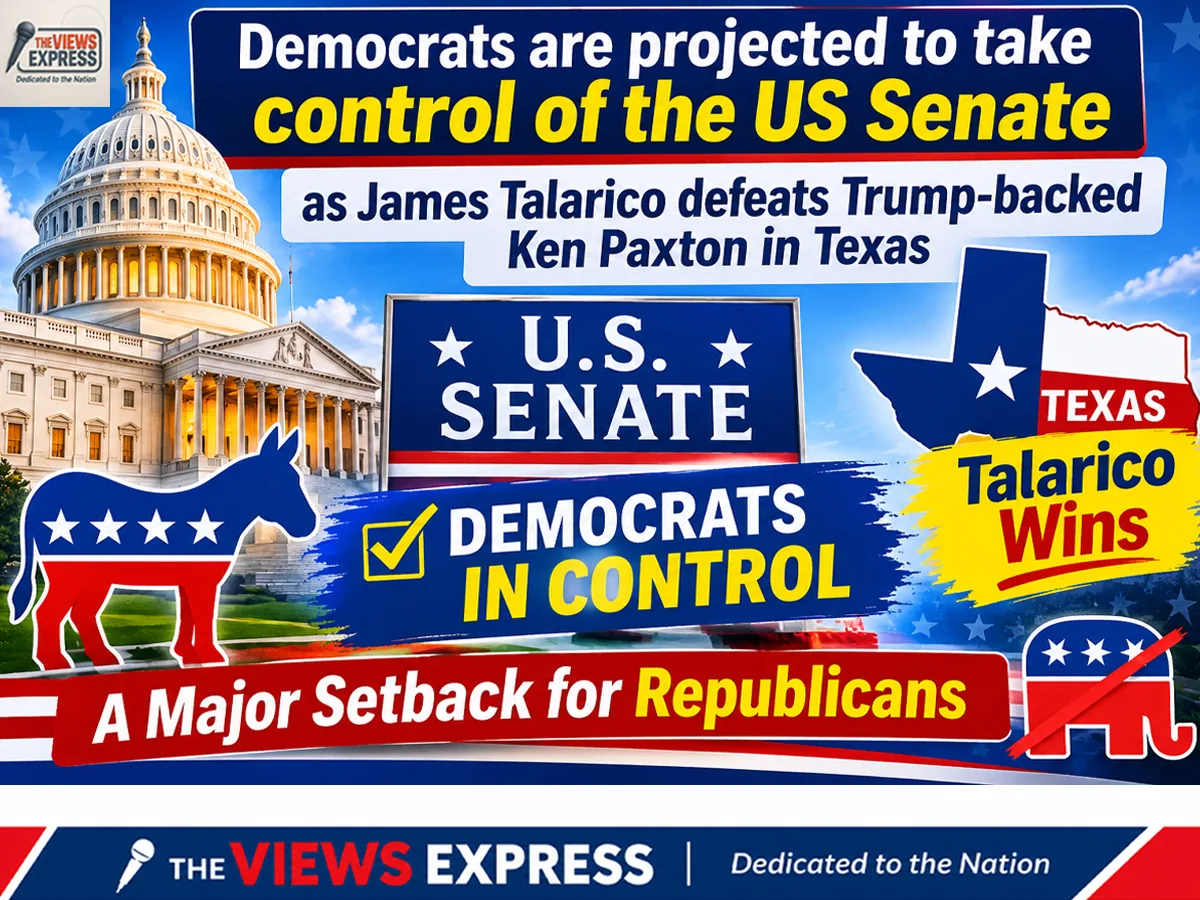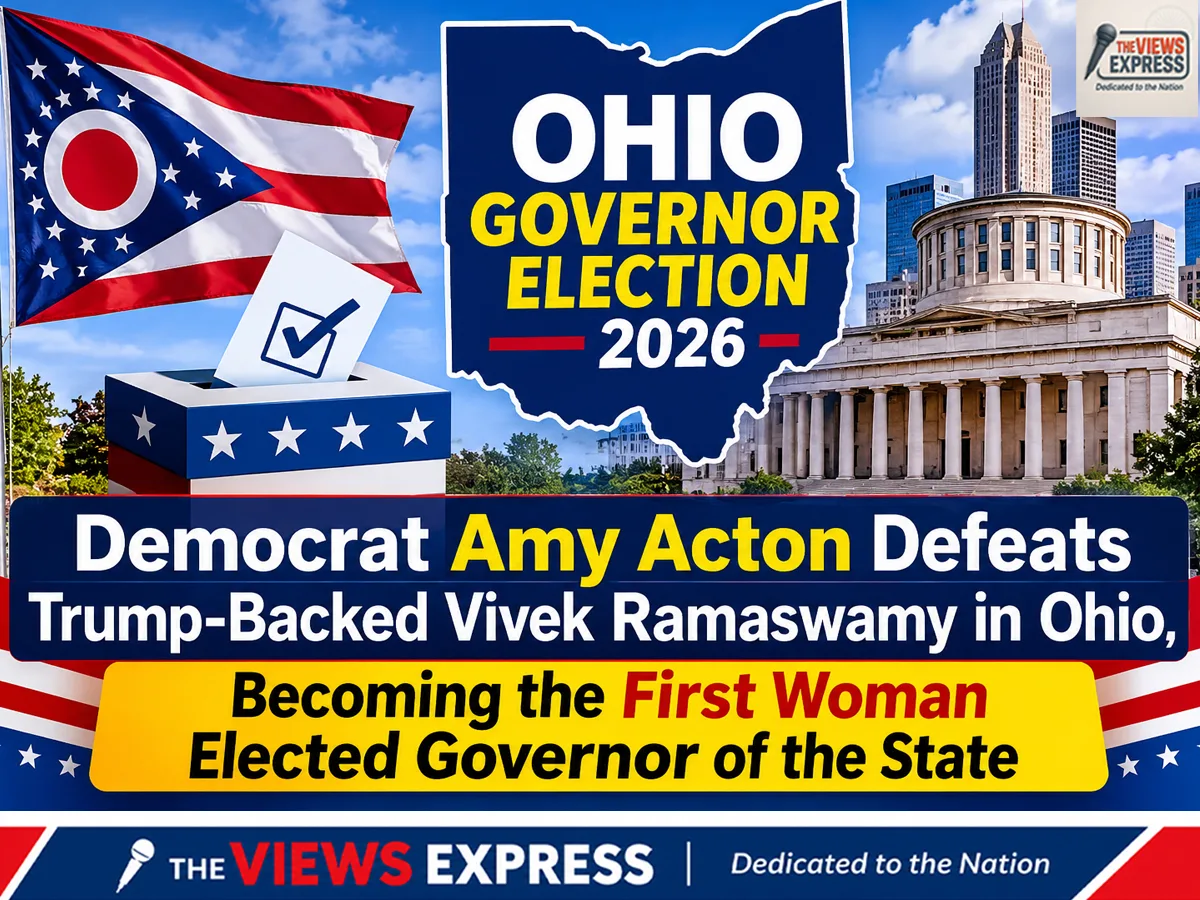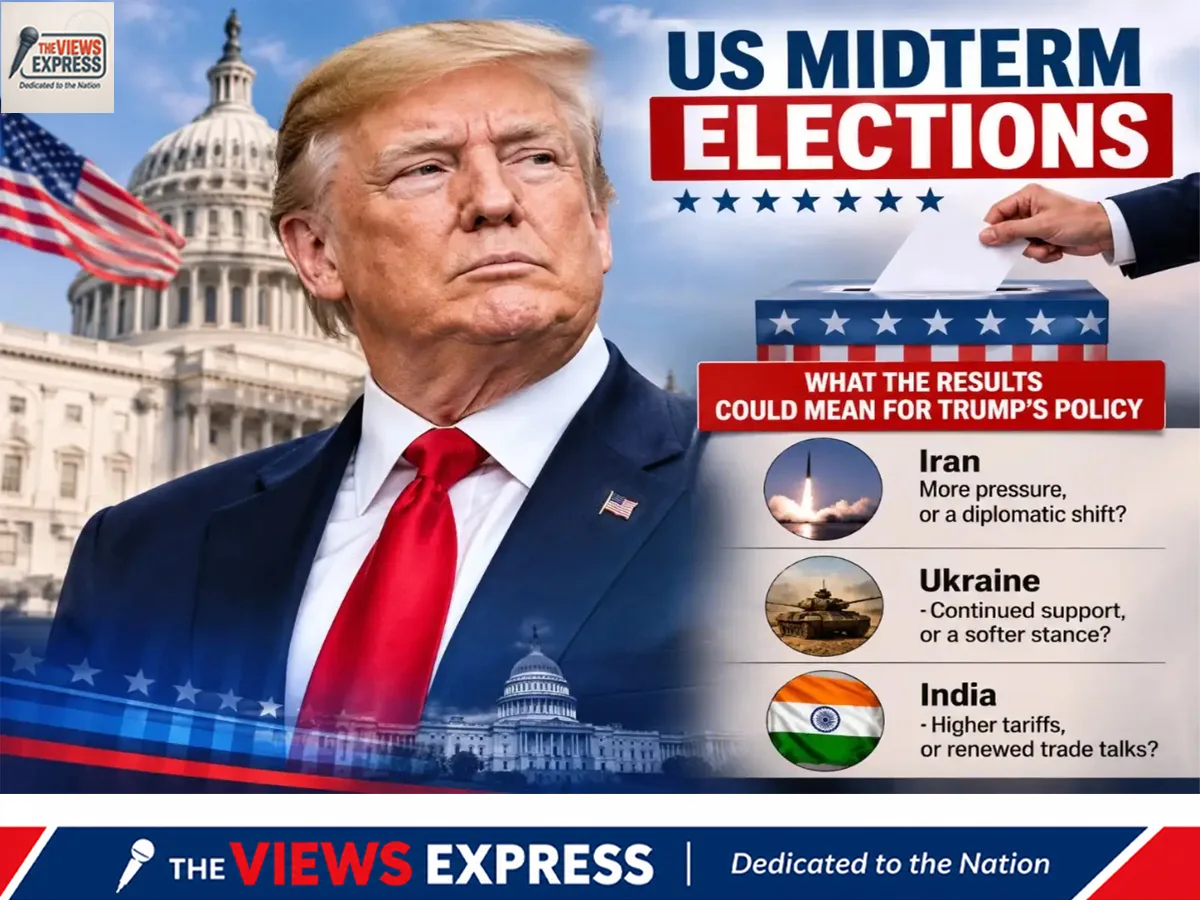
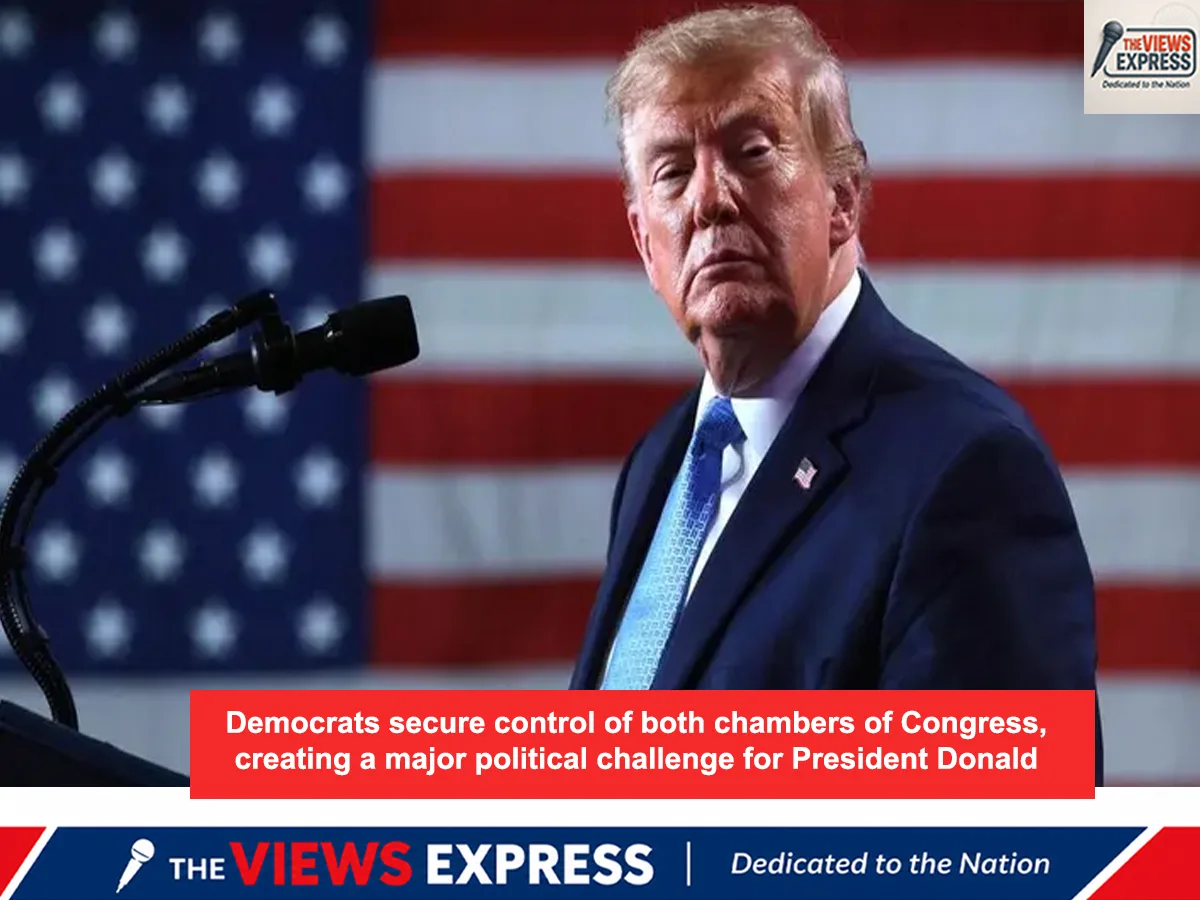

The 2026 US midterm elections have delivered a major setback to President Donald Trump and the Republican Party. Democrats have won control of both the House of Representatives and the Senate, according to the latest election projections and results reported on November 4. The outcome could change the political balance in Washington during the final two years of Trump’s term.
1. What are midterm elections?
Midterm elections take place halfway through a US president’s four-year term. Voters elect all 435 members of the House and a portion of the 100-member Senate. Several state governors and local representatives are also elected.
2. What is the latest election picture?
Democratic Senator Jon Ossoff has won re-election in Georgia, defeating Republican challenger Mike Collins, according to media projections. Democrats have also made significant gains in other Senate and House contests. The latest reports say the party has secured control of both chambers.
3. What does this mean for Trump?
A Democratic majority could make it harder for Trump to pass new laws. Congress also has powers to investigate the administration, scrutinise spending and question government officials. However, the president will continue to hold executive powers.
4. Could tariffs and visa rules change?
Not immediately. Trade tariffs and immigration policies may face stronger political scrutiny, but any change will depend on government decisions, legislation and legal processes. The election result alone does not automatically change tariffs or visa rules.
5. Why should Indian readers follow the result?
US decisions on trade, technology, immigration and international relations can affect India. However, the impact on Indian businesses, students and professionals will depend on future policy announcements. Indian investors should also watch currency and market movements rather than assume a direct outcome from the vote.
For now, the result signals a shift in Washington’s political balance. Its impact on India will become clearer as the new Congress takes shape and policy debates begin.