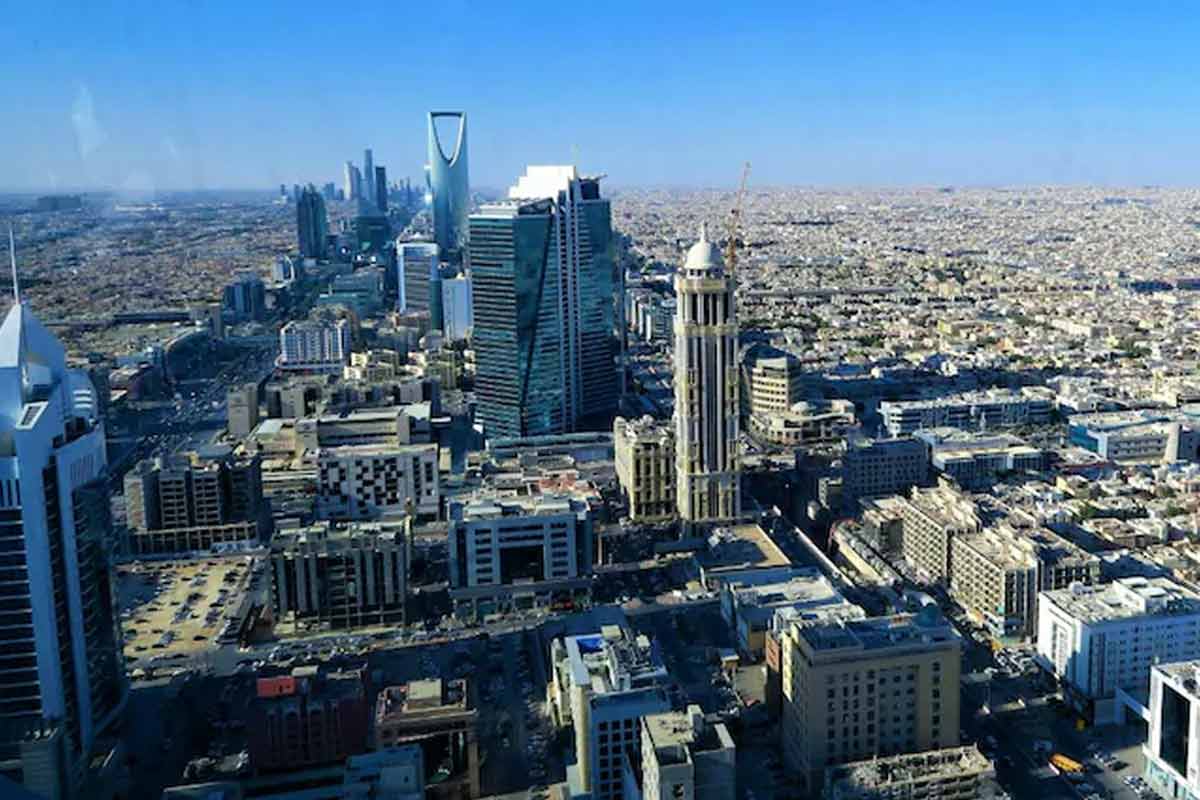

Saudi Arabia's growing interest in developing nuclear energy has sparked renewed international attention following a landmark agreement with the United States to cooperate on a civilian nuclear programme. The deal allows both countries to work together on nuclear technology development, including uranium enrichment for peaceful purposes, while enabling Saudi Arabia to expand its long-term energy strategy.
Despite possessing some of the world's largest oil reserves, Saudi Arabia is seeking to diversify its economy and reduce its dependence on crude oil. Under its ambitious Vision 2030 programme, the Kingdom aims to transform its economic model by investing in new industries, advanced technology, and sustainable sources of energy. Nuclear power is expected to play a key role by generating electricity, allowing more oil and natural gas to be exported instead of consumed domestically.
Saudi officials maintain that the programme is intended solely for civilian purposes, including electricity generation and technological advancement. However, regional security concerns continue to fuel international debate. Crown Prince Mohammed bin Salman has previously indicated that if neighbouring Iran were to acquire nuclear weapons, Saudi Arabia would consider taking similar steps to safeguard its national security.
Analysts believe the Kingdom's nuclear ambitions are therefore driven by both economic and strategic considerations. Expanding nuclear energy could strengthen long-term energy security, reduce domestic fossil fuel consumption, and increase export revenues. At the same time, the programme reflects Saudi Arabia's desire to maintain a strategic balance in an increasingly volatile Middle East, where geopolitical tensions and nuclear developments remain central to regional stability and international diplomacy.