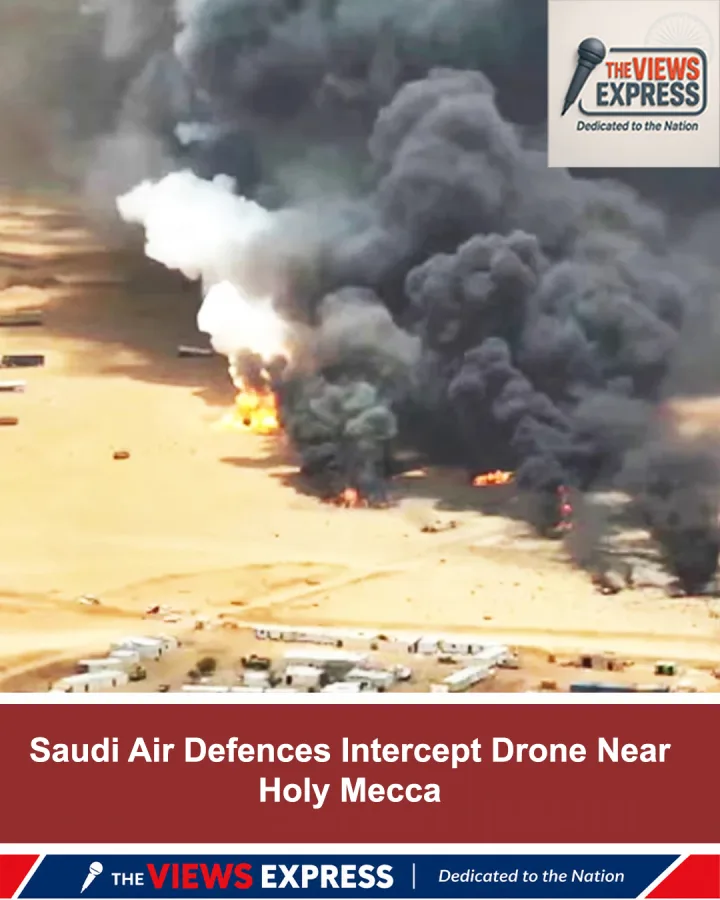
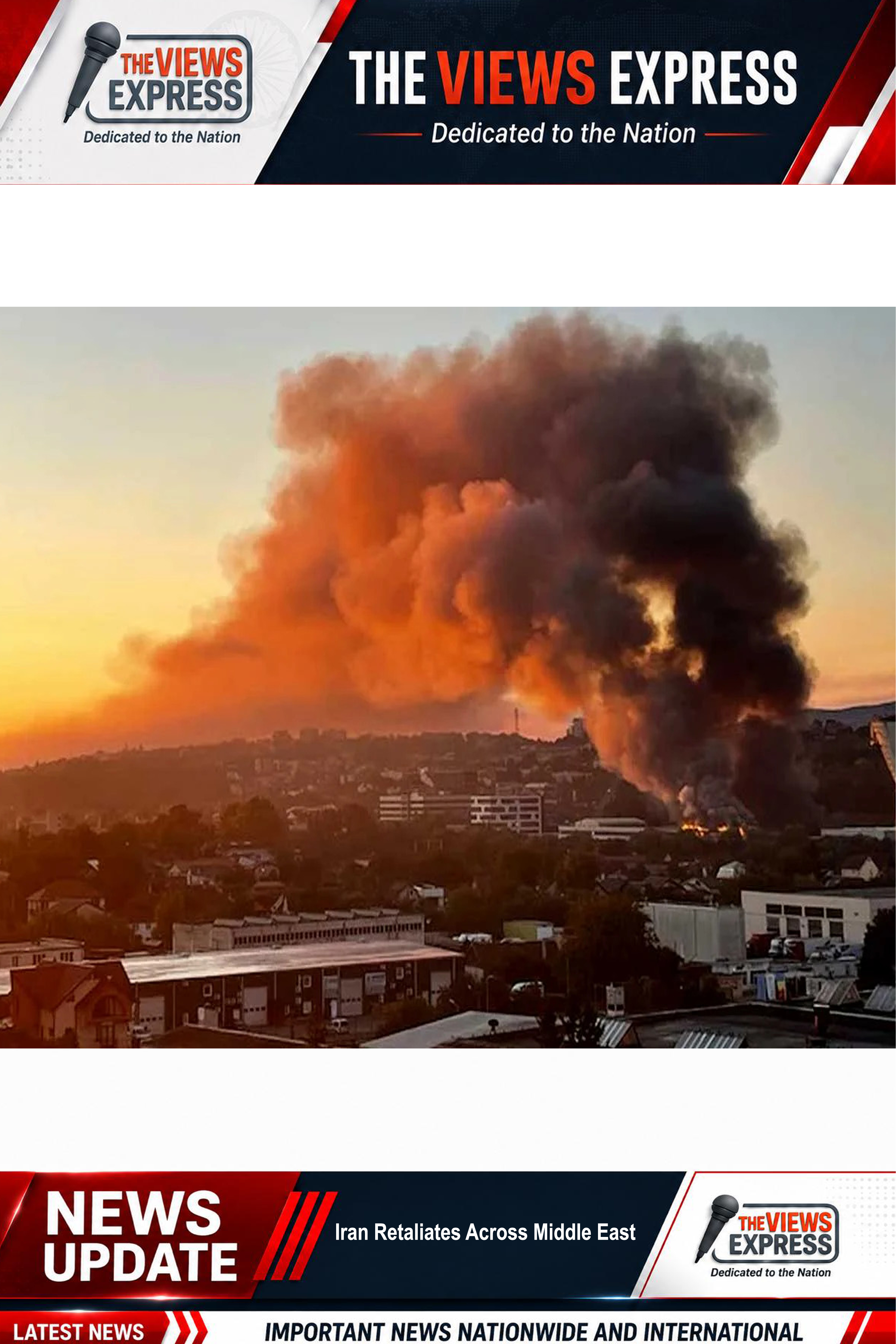

Tensions across the Middle East escalated sharply after Iran launched a series of retaliatory drone and missile strikes following reported US military operations targeting multiple locations inside the country. According to Iranian statements, the attacks were aimed at American military installations across the Gulf region, including facilities in Kuwait and Bahrain, with additional reports of military activity involving Qatar, Oman, and Jordan.
Iran's Islamic Revolutionary Guard Corps (IRGC) claimed that its strikes targeted key military assets, including air defense systems, fuel storage facilities, radar installations, and drone-related infrastructure at US-operated bases. Iranian officials described the operation as a direct response to recent American attacks and warned that any further military action would invite a stronger retaliation.
Senior Iranian leaders also emphasized the strategic importance of the Strait of Hormuz, one of the world's busiest maritime trade routes. Officials stated that protecting the waterway remains a national priority and declared that Iran would defend its interests there under any circumstances. The remarks underscored Tehran's position that the strait plays a critical role in regional security and global energy supplies.
The latest escalation follows an earlier maritime incident involving a commercial cargo vessel near the Gulf, which further heightened tensions. The United States has maintained that international shipping through the Strait of Hormuz should remain open and that its forces are prepared to safeguard freedom of navigation.
With both sides exchanging strong warnings and military responses, concerns are growing that the confrontation could widen further, increasing risks for regional stability, international shipping, and global energy markets. Diplomatic efforts to ease tensions remain uncertain as both governments continue to adopt firm public positions.