

Diplomatic hopes surrounding West Asia suffered a setback after a crucial meeting between Iran and Gulf Arab countries was postponed indefinitely. The talks, scheduled for Monday in Oman, were expected to focus on the movement of cargo ships through the Strait of Hormuz and the management of the strategically important international waterway.
Iran and Oman jointly decided to delay the meeting. Oman’s Foreign Minister Sayyid Badr Albusaidi said the postponement was intended to facilitate broader consensus among the participating countries. Iranian officials reportedly stated that the decision followed requests from several regional nations. A fresh date will be determined after further consultations between Tehran and Muscat.
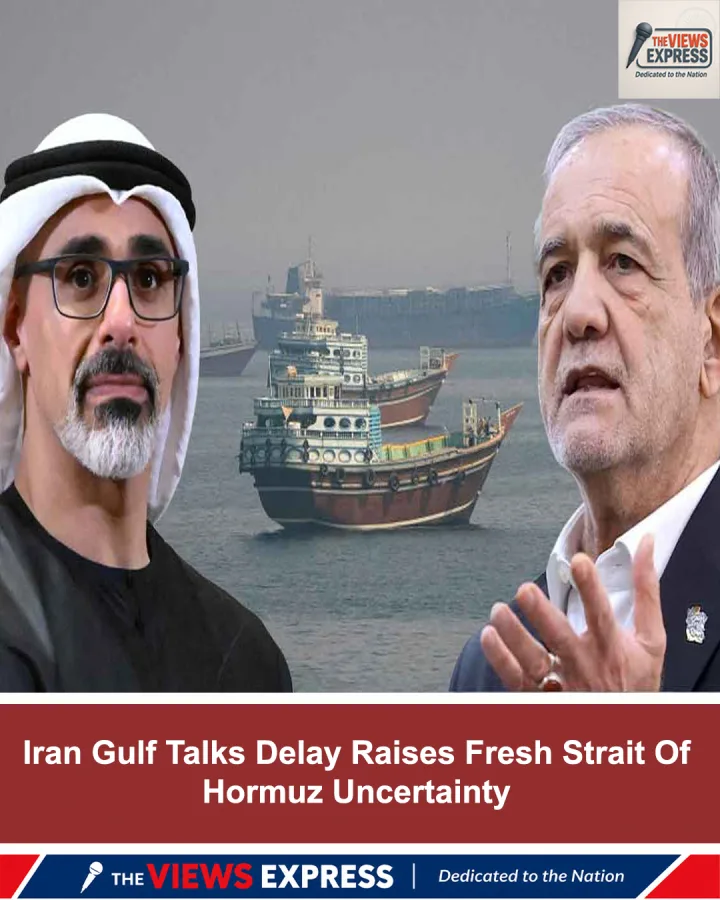
The development comes shortly after a significant meeting between Iranian President Masoud Pezeshkian and Sheikh Khaled bin Mohamed bin Zayed Al Nahyan, Crown Prince of Abu Dhabi, on the sidelines of the BRICS summit in New Delhi. Their interaction had raised hopes of easing tensions between Iran and the United Arab Emirates following months of regional conflict.
However, escalating hostilities have continued to threaten energy security. Recent attacks by Iran-backed Houthi forces in Saudi Arabia reportedly prompted Riyadh to suspend a key oil pipeline that bypasses the Strait of Hormuz. The disruption contributed to rising oil prices, which increased by around three per cent on Monday.
Meanwhile, repeated attacks in and around the Strait have reduced the number of oil tankers using the route. Iran has also reported casualties following an alleged attack on one of its commercial vessels.
The postponed talks had been viewed as a possible avenue for resolving the growing crisis. Their indefinite delay has renewed uncertainty over regional stability, maritime trade, and global energy supplies.