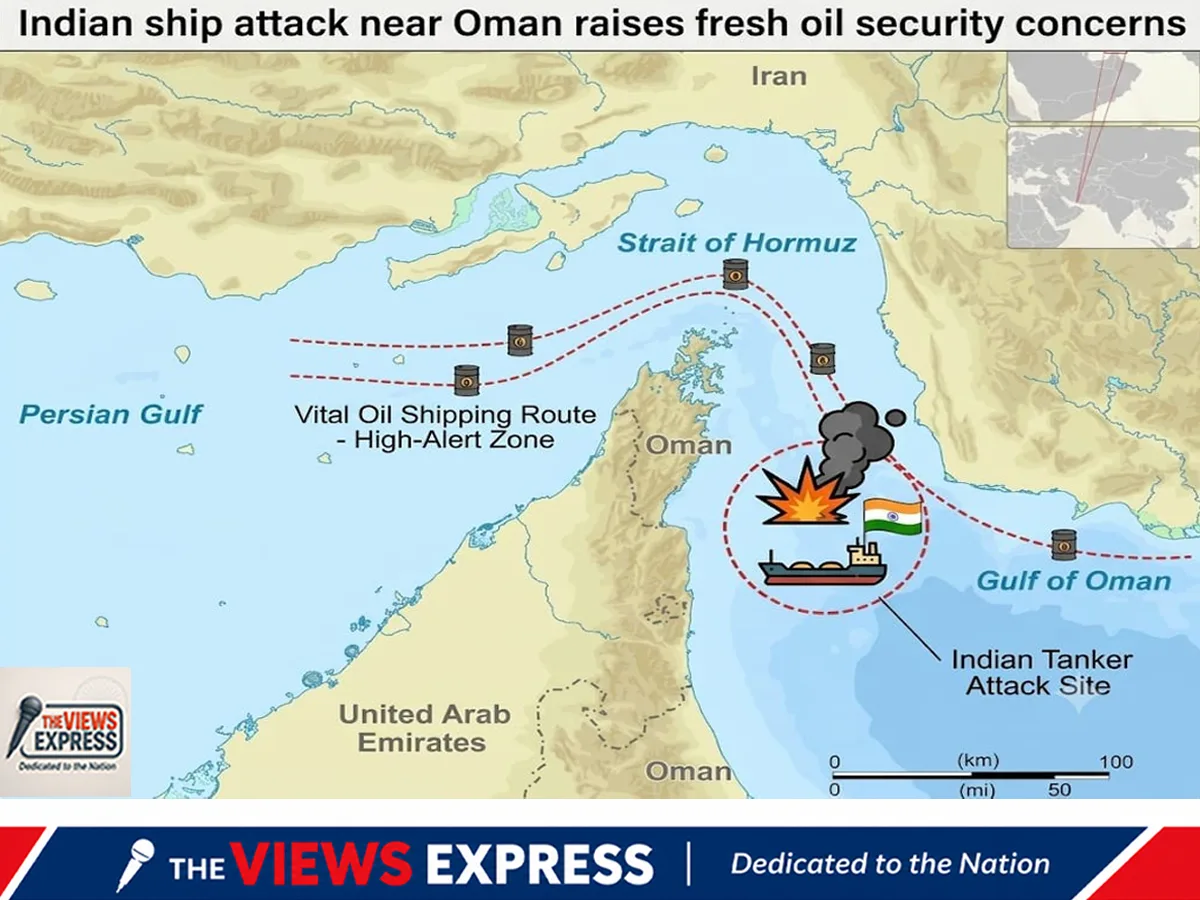
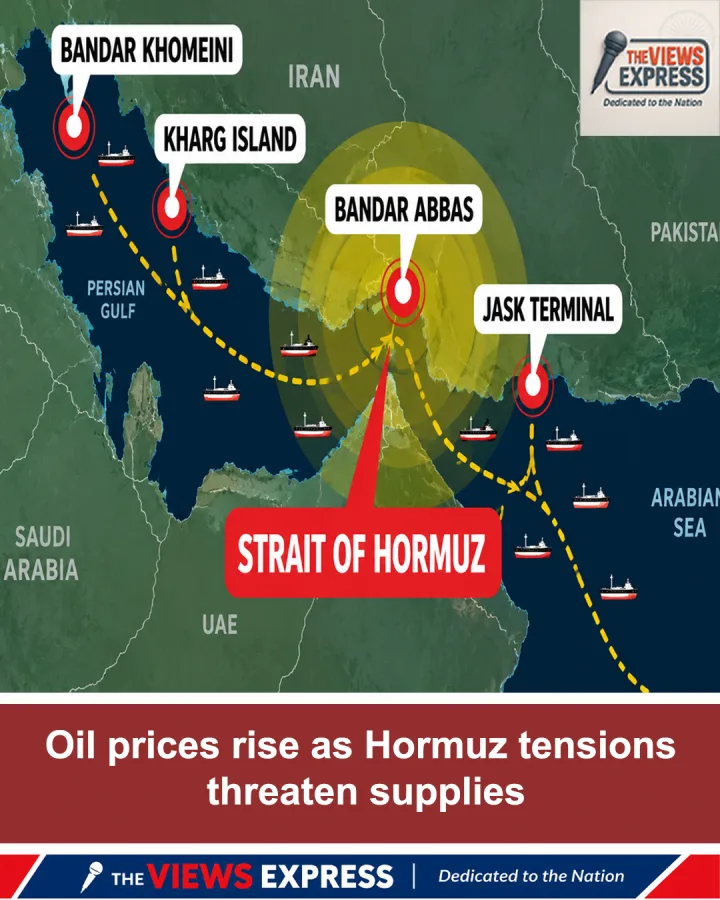

Fresh US military deployments in the Middle East have renewed concerns over energy supplies, sending crude prices higher as tensions surrounding the Strait of Hormuz remain elevated. The USS Theodore Roosevelt carrier strike group has been deployed toward the region, while more than 2,000 Marines are also being sent, adding to the American military presence around a crucial global energy route.
Brent crude settled around $102 a barrel on Friday, while West Texas Intermediate remained near $92.6. Oil markets have been particularly sensitive to developments around Hormuz, where shipping disruptions and security risks have already affected global energy flows. The International Energy Agency has warned that refined-product markets, especially diesel, remain under severe pressure.
The developments carry significance for India, one of the world’s major crude importers. More than half of India’s crude imports have been transiting the Strait of Hormuz during the crisis, exposing refiners to higher shipping, insurance and supply risks. At the same time, Indian crude imports reached a 2026 high of 5.26 million barrels per day in September as Gulf supplies increased.
Alternative routes exist, including Saudi Arabia’s East-West pipeline, but they cannot fully replace the strategic importance of Hormuz. Longer shipping routes can also increase transportation and insurance costs.
To ease the pressure, G7 countries have agreed to release 100 million barrels of crude and refined fuel from emergency reserves through the IEA. The move is intended to improve market liquidity and contain fuel-price pressures.