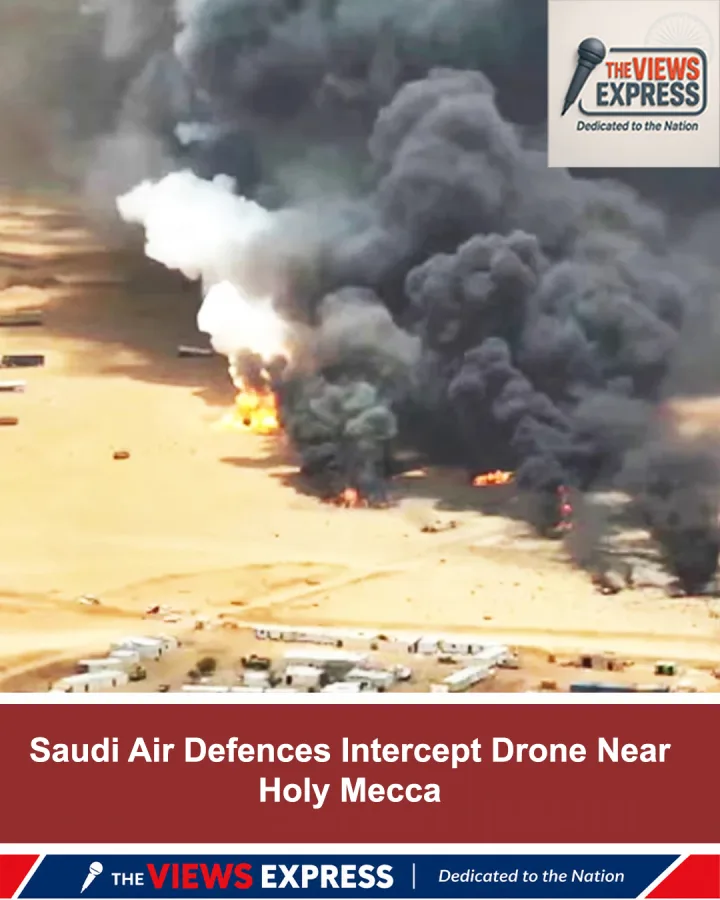
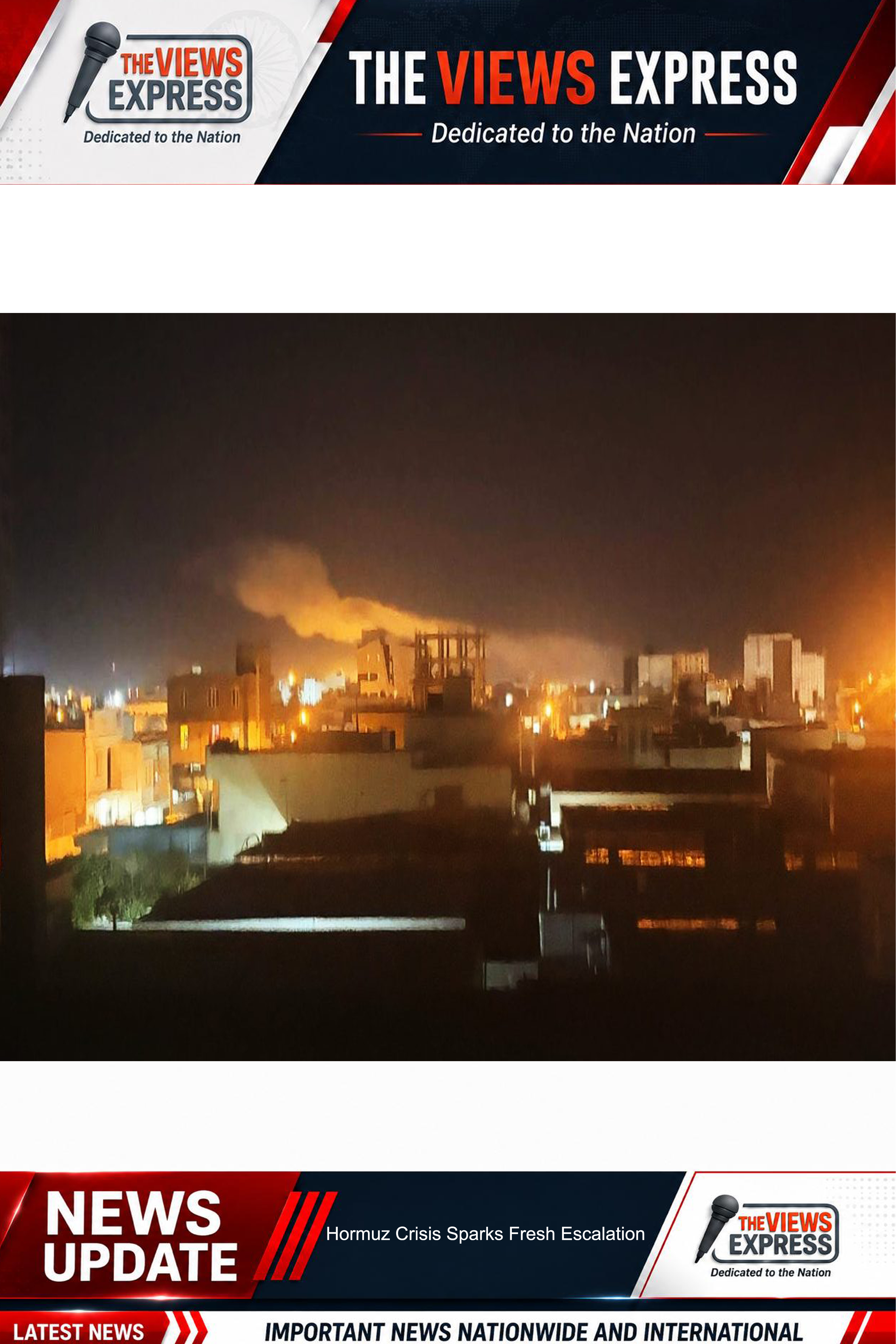

Tensions in the Middle East escalated sharply after Iran announced the closure of the strategically vital Strait of Hormuz, triggering a fresh exchange of military action with the United States. The latest developments have heightened concerns over regional security and the safety of global shipping routes.
According to reports, Iranian forces fired warning rounds early Sunday local time after declaring restrictions in the Strait of Hormuz. One of the projectiles reportedly struck the engine room of the Cyprus-flagged cargo vessel MV GFS Galaxy, causing significant damage. Iranian officials claimed the ship had entered an unauthorized route and warned that any retaliatory action would invite severe consequences. Tehran also reiterated that the strait would remain closed until further notice.
Following the incident, the United States launched retaliatory missile strikes targeting multiple locations inside Iran. The U.S. Central Command confirmed military action, stating the operation was carried out under the direction of President Donald Trump. Reports indicated that missiles were launched from American military facilities in Bahrain, with several sites in Iran's Bushehr province reportedly hit. The extent of damage and casualties has not yet been officially confirmed.
U.S. authorities said one crew member aboard the damaged cargo vessel remains missing after the attack. Washington has demanded a public assurance from Tehran that commercial shipping through the Strait of Hormuz will remain safe and unrestricted.
Meanwhile, diplomatic efforts continue despite the military escalation. Iranian Foreign Minister Abbas Araghchi recently held discussions in Oman, but no breakthrough has been announced. While Washington says diplomatic channels remain open, the latest confrontation has significantly increased fears of a broader regional conflict and disruptions to global energy supplies.