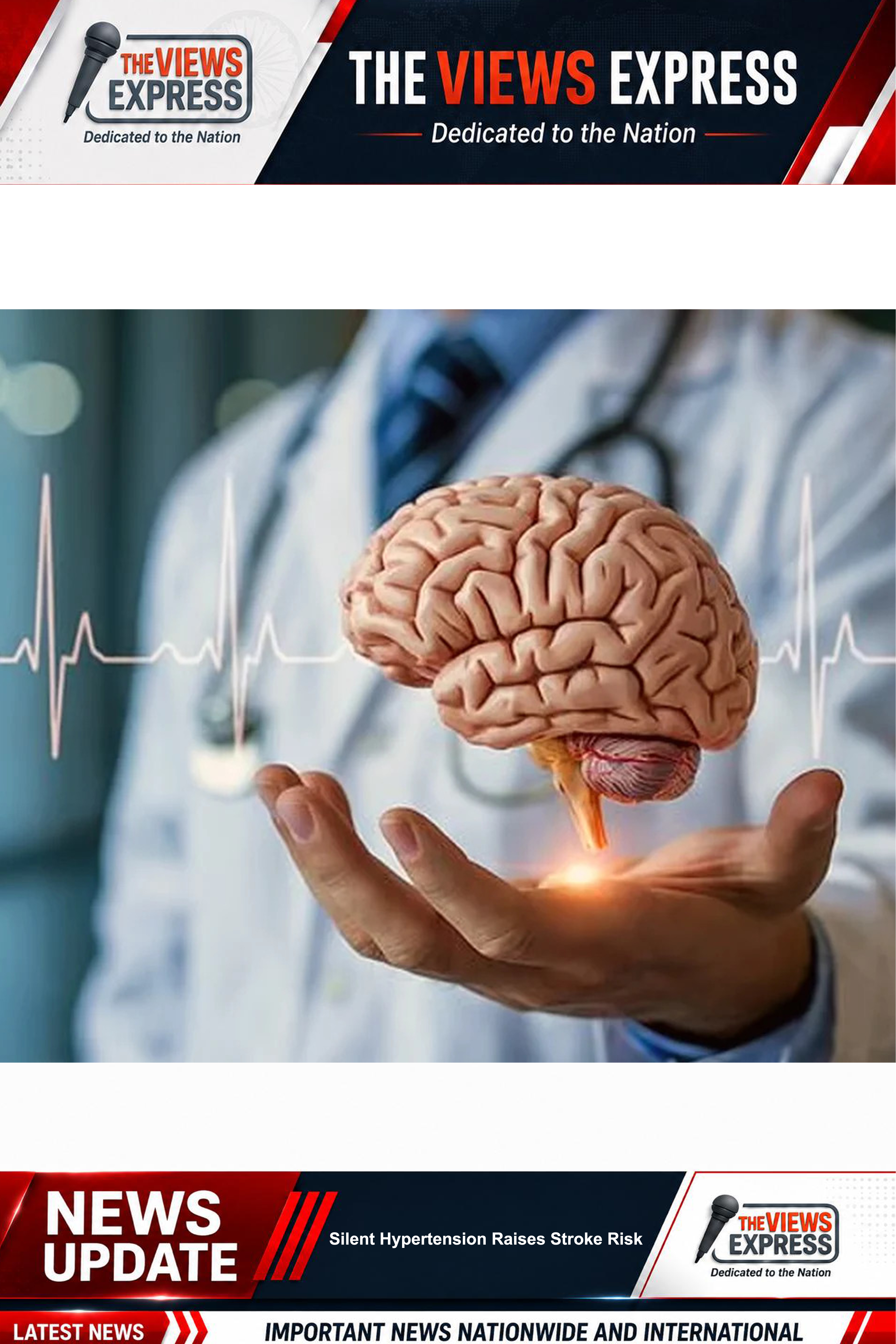

On World Brain Day, health experts highlighted high blood pressure, or hypertension, as the leading preventable cause of stroke, urging people to take the condition seriously before irreversible damage occurs. Often called the "silent killer," hypertension can remain symptom-free for years while gradually damaging blood vessels that supply the brain.
Medical specialists explained that prolonged uncontrolled blood pressure weakens and narrows arteries, increasing the likelihood of both ischemic stroke, caused by a blocked blood vessel, and hemorrhagic stroke, caused by bleeding in the brain. Globally, hypertension is believed to contribute to nearly 40 percent of all stroke cases, making regular blood pressure monitoring essential.
Doctors also warned that the risk becomes significantly higher in people with heart conditions such as atrial fibrillation, coronary artery disease, heart failure, cardiomyopathy, and valve disorders. In atrial fibrillation, irregular heartbeats can lead to blood clot formation, which may travel to the brain and trigger a life-threatening stroke.
India faces a growing burden of hypertension and stroke, with nearly one in four adults affected by high blood pressure. Alarmingly, many remain undiagnosed or fail to keep their condition under control. Stroke cases are also increasing among younger adults, with a notable proportion occurring before the age of 45.
Experts recommend checking blood pressure regularly, following prescribed medication, reducing salt intake, maintaining a balanced diet, exercising for at least 150 minutes each week, avoiding tobacco, controlling diabetes and cholesterol, and seeking regular medical follow-up for heart disease.
Warning signs of stroke include facial drooping, weakness in one arm or leg, slurred speech, blurred vision, dizziness, and sudden loss of balance. Immediate medical attention can greatly improve survival and recovery.