
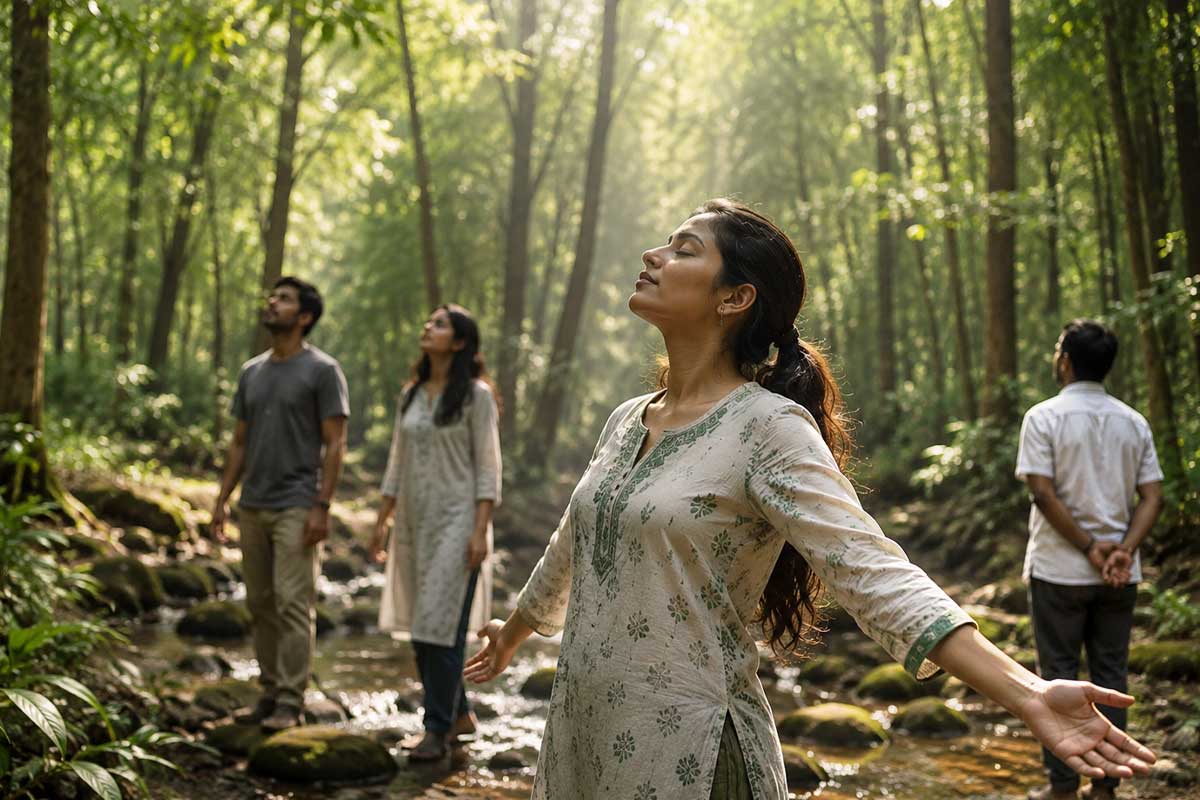

Spending time in nature may do more than simply help people relax. Growing scientific interest in the Japanese wellness practice known as Shinrin-yoku, or Forest Bathing, suggests it can support the body's natural immune system and improve overall physical and mental well-being. However, experts emphasize that it is not a treatment or guaranteed preventive measure for cancer.
The practice, introduced in Japan during the 1980s, encourages people to immerse themselves in a forest or green environment by walking slowly, breathing deeply, and consciously experiencing the sights, sounds, scents, and atmosphere of nature. The focus is on mindfulness rather than exercise or reaching a destination.
Research led by Dr. Qing Li of Nippon Medical School has found that trees release natural compounds called phytoncides, which may positively influence the immune system when inhaled. Studies suggest these compounds can increase the activity of Natural Killer (NK) cells—white blood cells that help identify and destroy virus-infected and abnormal cells. Some research indicates these immune benefits may last for several days after spending time in forest environments.
Beyond immune support, Forest Bathing has been associated with reduced stress hormone (cortisol) levels, lower blood pressure, improved sleep quality, better mood, enhanced concentration, and reduced anxiety.
Experts recommend spending at least 20 to 60 minutes in a park, garden, or wooded area, avoiding distractions like mobile phones, and paying close attention to the surrounding natural environment.
While Forest Bathing can be a valuable addition to a healthy lifestyle, specialists stress that it should complement—not replace—medical treatment, routine health screenings, balanced nutrition, regular exercise, and other evidence-based measures for reducing the risk of chronic diseases, including cancer.