
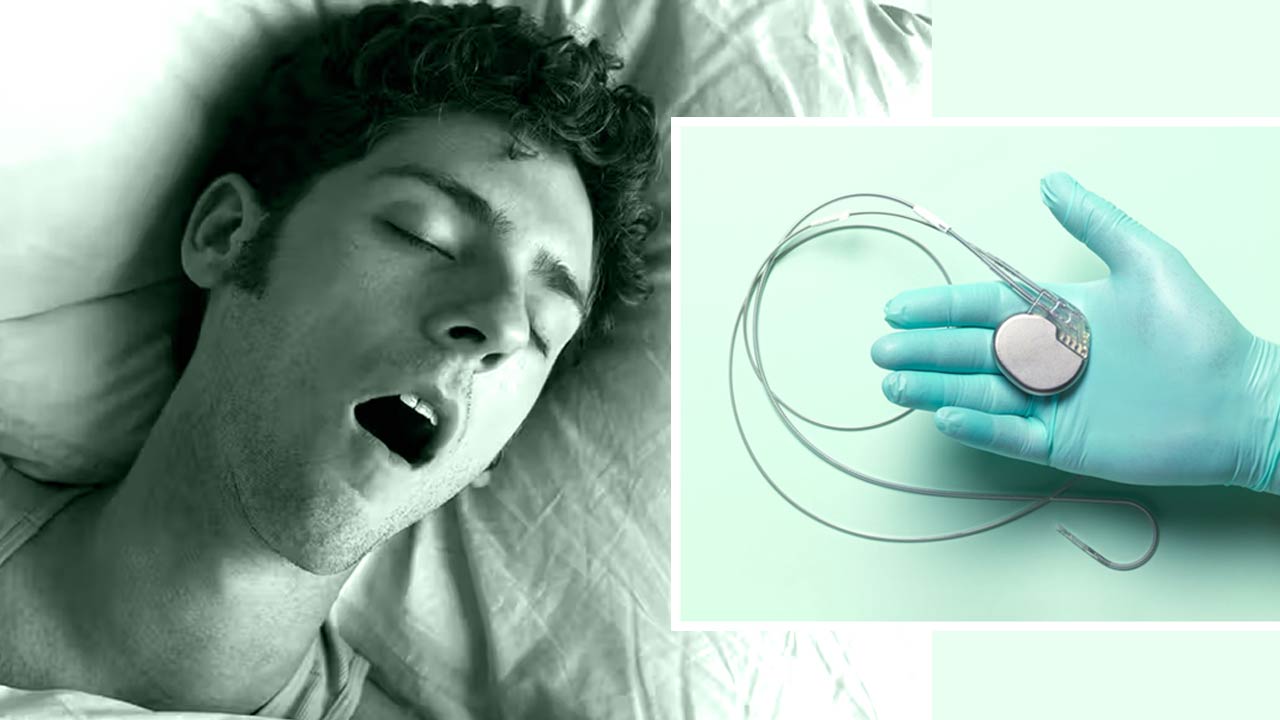

A groundbreaking medical innovation known as the "tongue pacemaker" is offering new hope to people suffering from chronic snoring and obstructive sleep apnea (OSA). Developed by researchers at the University of Zurich, with ongoing research support from Harvard Medical School, the implantable device is designed to keep the airway open during sleep by gently stimulating the tongue muscles.
Unlike traditional treatments such as Continuous Positive Airway Pressure (CPAP) machines or oral splints, which many patients find uncomfortable to wear throughout the night, the tongue pacemaker is surgically implanted beneath the collarbone under general anesthesia. A small electrode is connected to the hypoglossal nerve, which controls tongue movement.
When the device detects inhalation, it sends mild electrical impulses to the nerve, causing the tongue to move slightly forward. This prevents the tongue from collapsing backward and blocking the airway, allowing uninterrupted airflow during sleep. As the patient exhales, the tongue relaxes naturally. The device can be switched on before bedtime and turned off in the morning using a remote control.
Researchers believe the technology could significantly improve the quality of life for patients with obstructive sleep apnea, a condition that causes repeated interruptions in breathing during sleep. Left untreated, sleep apnea increases the risk of high blood pressure, irregular heartbeat, heart attack, stroke, and chronic fatigue due to poor sleep quality.
The device may also benefit patients with neurological disorders, including stroke-related paralysis and certain developmental conditions, by supporting normal breathing during sleep. However, experts caution that the implant is not suitable for everyone. It is generally not recommended for patients with cancers affecting the mouth or tongue, or for individuals who already have certain implanted cardiac pacemakers.