
Knee pain and arthritis are increasingly affecting people across different age groups, with many patients eventually requiring knee replacement surgery. However, Platelet-Rich Plasma (PRP) therapy is emerging as a possible non-surgical option for some patients, potentially helping reduce pain and support tissue repair.
Knee pain can develop for several reasons, including injuries, arthritis, cartilage damage, infections, congenital bone abnormalities and, in rare cases, tumours. Osteoarthritis, in particular, can cause progressive damage to the cartilage and make everyday movement difficult.
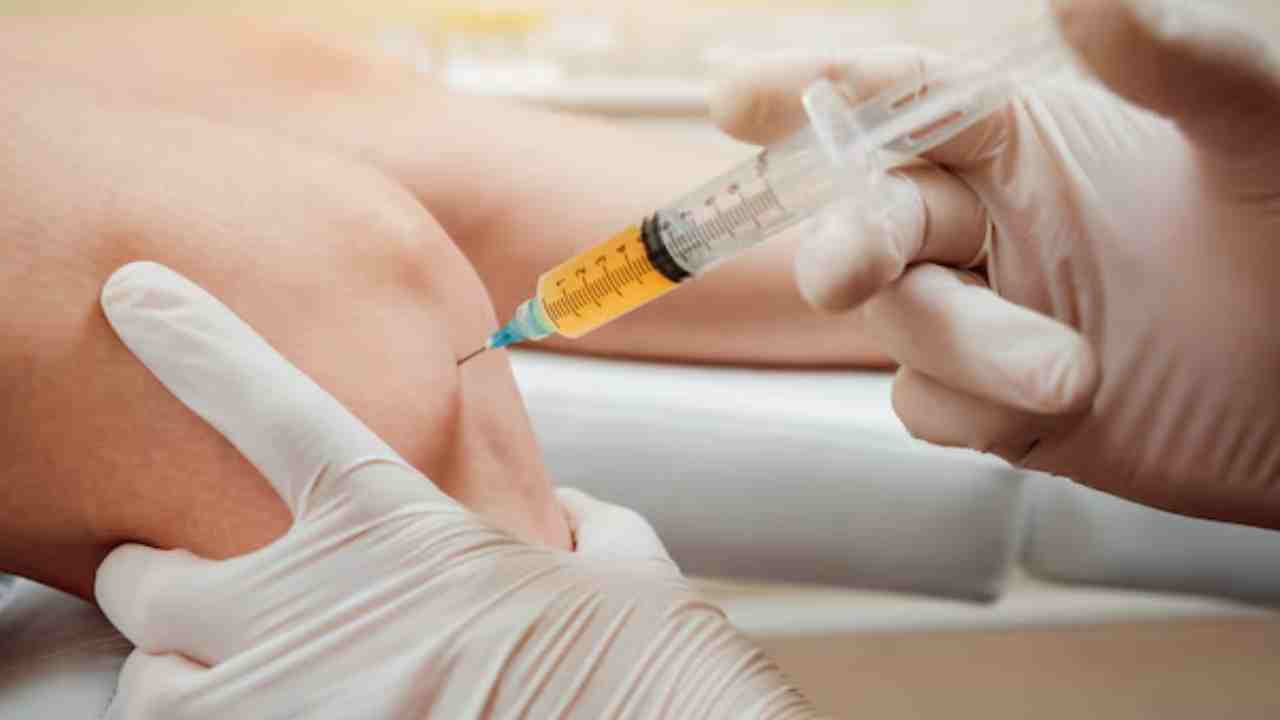
PRP therapy uses components obtained from the patient’s own blood. Platelets in plasma contain various biological substances that may support tissue repair and the formation of new cells. During the procedure, a sample of the patient’s blood is processed to concentrate platelets. The resulting PRP is then injected into the affected area of the knee.
According to researchers and medical experts, the treatment may help the body’s natural healing processes by supporting damaged cartilage, tendons and other tissues. In some treatment protocols, injections are administered at intervals, depending on the patient’s condition and the doctor’s assessment.
PRP may be considered for certain people suffering from sports injuries, ligament damage or knee problems at a relatively younger age, particularly when surgery is not immediately necessary or is being avoided.
However, PRP is not a guaranteed cure for arthritis and may not work equally well for everyone. Patients with chronic illnesses or those taking certain medications may require additional evaluation before undergoing the treatment.
Doctors therefore recommend a proper medical assessment before considering PRP therapy. Whether it can delay or prevent knee replacement depends on the severity and underlying cause of the joint damage.