
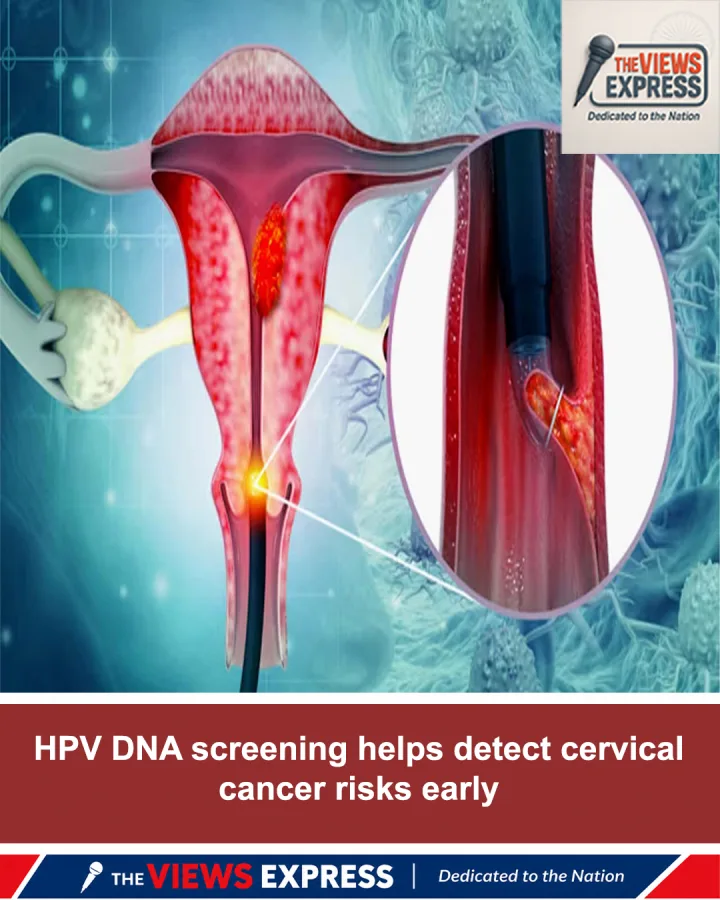

Cervical cancer remains a major health concern among women, but advances in screening are making it possible to identify high-risk human papillomavirus (HPV) infections before cervical cancer develops. Among these methods, HPV DNA testing has emerged as an important tool for detecting cancer-causing HPV types at an early stage.
Unlike a Pap smear, which looks for abnormal cells, an HPV DNA test detects genetic material from high-risk HPV types associated with cervical precancer and cancer. Current World Health Organization guidance recommends HPV-based screening as a preferred approach because it can identify women at increased risk before cellular abnormalities become apparent.
The latest WHO guideline, issued in 2026, also supports HPV DNA genotyping to distinguish higher-risk HPV infections and help determine which HPV-positive women require closer follow-up. HPV types 16 and 18 are among the most important high-risk strains associated with cervical cancer.
The test generally involves collecting a sample of cells from the cervix or vagina, which is then analysed in a laboratory. A positive result does not mean that a woman has cancer; it indicates the presence of HPV and may require further evaluation or a triage test depending on the screening programme.
For the general population, WHO guidance recommends beginning HPV-based cervical screening around age 30, with repeat screening intervals depending on the testing strategy and local programme. Women living with HIV may require screening at a younger age and more frequently.
HPV DNA testing is therefore an important preventive screening option, but women should discuss the appropriate test, timing and follow-up with a qualified healthcare professional.