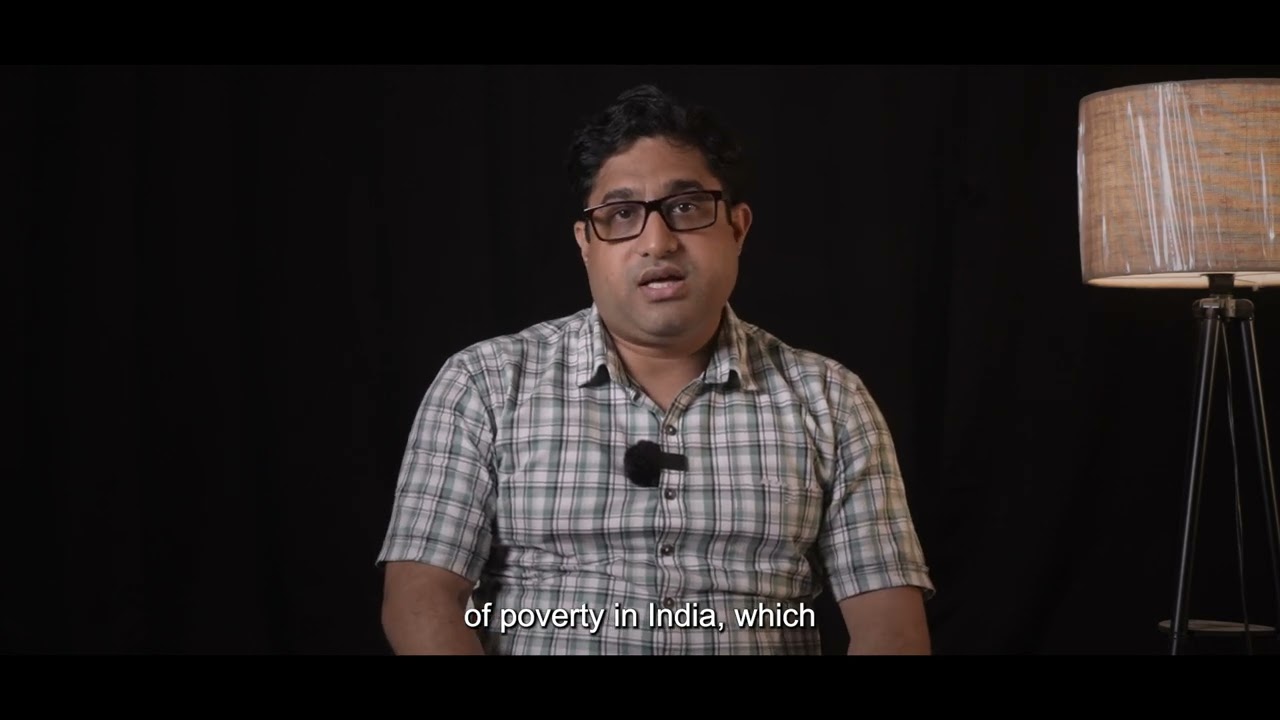
A year after its public announcement at the Press Club of Kolkata, the Bengal Revolution for Indian Liberation Virtual Museum (BRIL Virtual Museum) today marked its first anniversary, celebrating the extraordinary courage of India’s revolutionary freedom fighters and reaffirming its commitment to preserving the history of the country’s freedom struggle for future generations, conceptualised and curated by Boddhisatya Tarafdar, a banker and a public historian. The virtual museum is an initiative by an academic platform Madhyamgram Historical Society, Kolkata formed by Boddhisatya Tarafdar along with enthusiasts Mrinmoy Banerjee and Supriyo Mukherjee.
The virtual museum was announced on August 17, 2025, at the Press Club of Kolkata as an initiative dedicated to bringing the largely unexplored or often forgotten chapters of Bengal’s revolutionary movement into the digital age. Conceived as an educational and historical platform, BRIL Virtual Museum seeks to connect young Indians, particularly students with the stories of those who challenged colonial rule with extraordinary courage and sacrifice. The first anniversary carries a special significance for the initiative, coming at a time when digital platforms are increasingly becoming important tools for preserving, interpreting and communicating history.
The virtual museum's galleries explore diverse episodes of the revolutionary movement from the activities of organisations such as the Anushilan Samiti to the dramatic exploits of revolutionaries including Khudiram Bose, Prafulla Chaki, Bagha Jatin and Masterda Surya Sen. The museum also seeks to preserve the memory of events such as the Rodda Arms Heist and the Chittagong Armoury Raid, while presenting the lives and ideas of revolutionaries within their broader historical context. Rather than treating these figures merely as names in textbooks, the initiative aims to reconstruct their world—their political convictions, underground networks, personal sacrifices, imprisonment, exile and determination to challenge an immensely powerful colonial state.
At the heart of BRIL Virtual Museum's larger historical vision is Netaji Subhas Chandra Bose, whose transformation from nationalist leader to commander of the Indian National Army represents one of the most remarkable chapters of India's struggle for independence. The museum's work also highlights the story of the Indian National Army (INA) and the Provisional Government of Free India, popularly known as the Azad Hind Government. For generations of Indians, Netaji's call for sacrifice and his determination to seek international support for India's liberation remain powerful symbols of courage and political conviction. The INA's campaigns in Southeast Asia, the advance towards India's northeastern frontier and the raising of the Indian tricolour at Moirang in Manipur in 1944 form an important part of this historical narrative. By bringing these stories together in a digital environment, BRIL aims to provide visitors with an immersive journey through the many dimensions of India's independence movement.
As per the Curator, Boddhisatya Tarafdar, one of the distinctive objectives of the virtual museum is its educational outreach. The initiative has been conceived particularly with young people and school students in mind. Through digital galleries, photographs, historical documents, narratives and multimedia presentations, the museum seeks to make history accessible beyond the conventional classroom and textbook. Its digital format also allows students and history enthusiasts to explore the galleries without being restricted by geography or conventional museum visiting hours. While speaking with The Views Express, Tarafdar expressed that the broader vision is to take the museum into educational institutions through digital presentations, projectors and classroom-based programmes, allowing students to encounter India's revolutionary history in a more engaging manner.
The first anniversary is also an occasion to acknowledge the wider historical and cultural significance of Bengal's contribution to India's freedom movement. From the revolutionary networks of early twentieth-century Bengal to the activities of underground organisations, from the sacrifice of young revolutionaries to the international campaign led by Netaji, the region produced a remarkable succession of personalities and movements that became part of India's larger anti-colonial struggle.
BRIL Virtual Museum attempts to bring these interconnected stories together under one digital roof. Its journey has also been accompanied by public and institutional recognition. The initiative has received appreciation connected with its efforts to preserve and popularise the history of India's freedom struggle, while its activities have included programmes and historical discussions involving scholars, cultural institutions and representatives associated with India's international historical connections.
As BRIL Virtual Museum enters its second year, its significance lies not merely in commemorating the past but in asking how history should be presented to future generations. A digital museum can continuously expand its collections, develop new galleries, introduce multilingual content and reach audiences far beyond the physical boundaries of a traditional institution.