
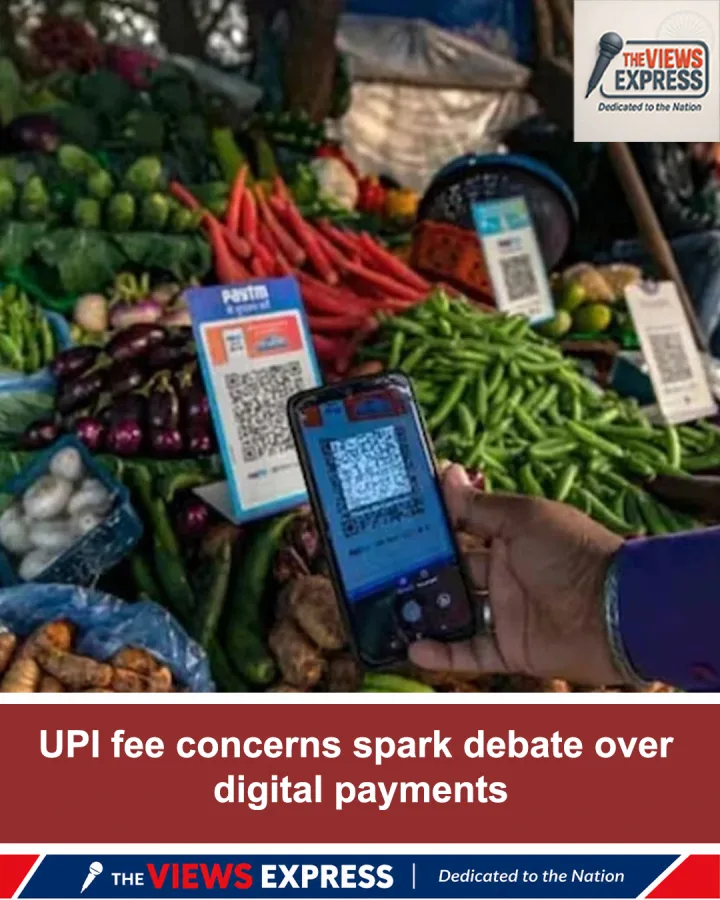

India’s Unified Payments Interface is set for a significant change from October 15, when a 0.4 per cent Merchant Discount Rate will apply to specified person-to-merchant UPI transactions above ₹2,000. The new framework marks a shift after years of largely fee-free merchant UPI payments, although consumers themselves will not be directly charged under the rules.
The proposed MDR has nevertheless triggered concerns among consumers and businesses about whether merchants could attempt to recover the additional cost indirectly. A LocalCircles survey, reported by India Today, found that 76 per cent of respondents said they would consider switching to cash, credit cards, debit cards or bank transfers if merchants passed the charge on to them. Only 14 per cent said they would continue using UPI and bear an additional cost themselves.
The survey covered users across India and highlights the potential sensitivity surrounding any additional cost associated with digital payments. However, the official framework specifically places the MDR burden on merchants rather than customers. Finance Minister Nirmala Sitharaman has also clarified that the charge is not a tax or surcharge on consumers and should not be added to their bills.
Under the new structure, the 0.4 per cent MDR will apply to eligible merchant payments above ₹2,000, with the charge capped at ₹300 per transaction. Person-to-person transfers and eligible small-merchant transactions remain outside the levy.
The government and payments authorities say the revised framework is intended to support the financial sustainability of the UPI ecosystem, while concerns remain over how merchants and consumers will respond once the new system takes effect.