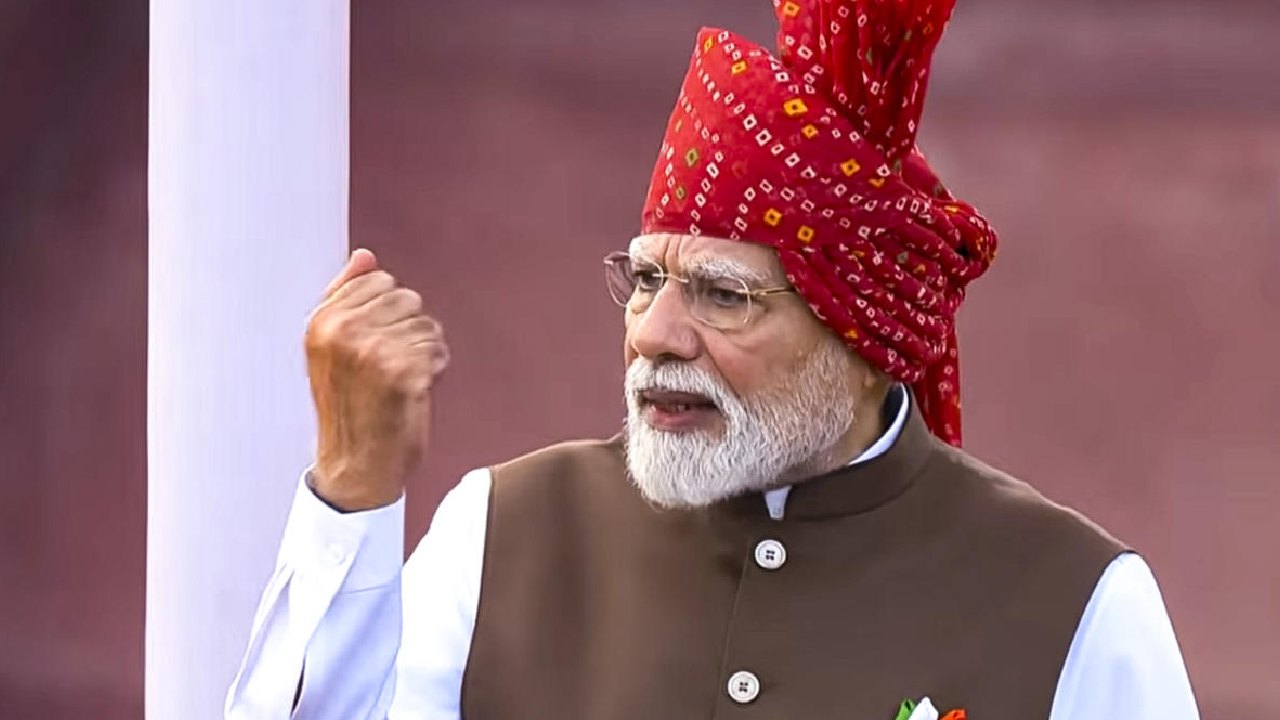

Prime Minister Narendra Modi, addressing the nation from the Red Fort on India’s 80th Independence Day, unveiled a seven-point development framework aimed at helping the country achieve the goal of becoming a “developed India” by 2047.
Referring to the idea of seven streams of strength, Modi said these seven areas would serve as key drivers of India’s transformation. The framework focuses on strengthening domestic capabilities while expanding India’s economic and strategic influence globally.
The first pillar is manufacturing, with the government seeking to increase production across different parts of the country. Modi also highlighted agriculture and food processing as important engines of growth and employment.
Technology and innovation form another major pillar, with emphasis on building India’s capabilities in advanced technologies. “Gati Shakti”, or faster connectivity, is also part of the framework, focusing on improving transportation and infrastructure links across the country.
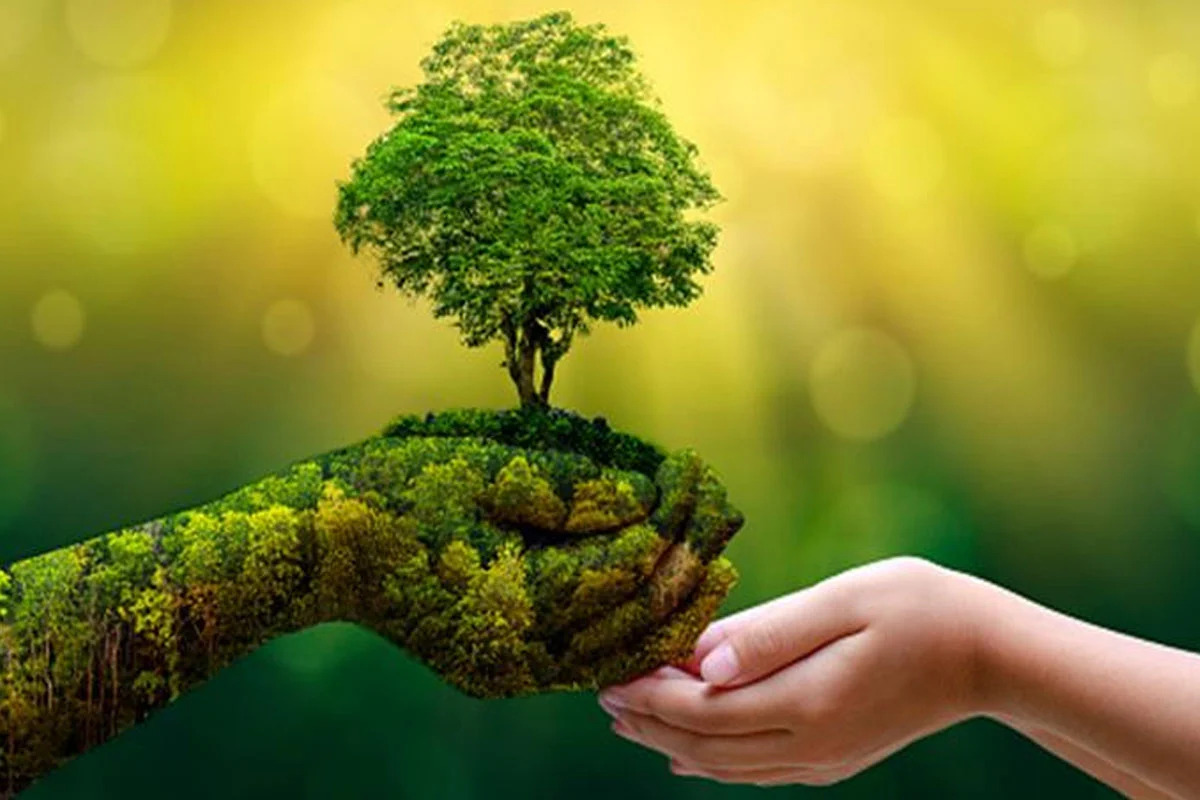
Defence strength and economic power were among the other priorities highlighted by the Prime Minister. Within the economic sphere, Modi stressed the importance of both a green economy and a blue economy. The former focuses on environmentally sustainable growth and employment, while the latter aims to utilise India’s oceans, rivers and other water resources without harming the environment.
The seventh pillar is India’s soft power, including its culture, heritage, yoga, Ayurveda and tourism. Modi said these strengths can help India expand its global influence without relying solely on military power.
The Prime Minister also called for India to become a major global supplier rather than remaining merely a large consumer market. He stressed stronger domestic manufacturing and expressed confidence that India-developed 6G technology would eventually reach every corner of the country.