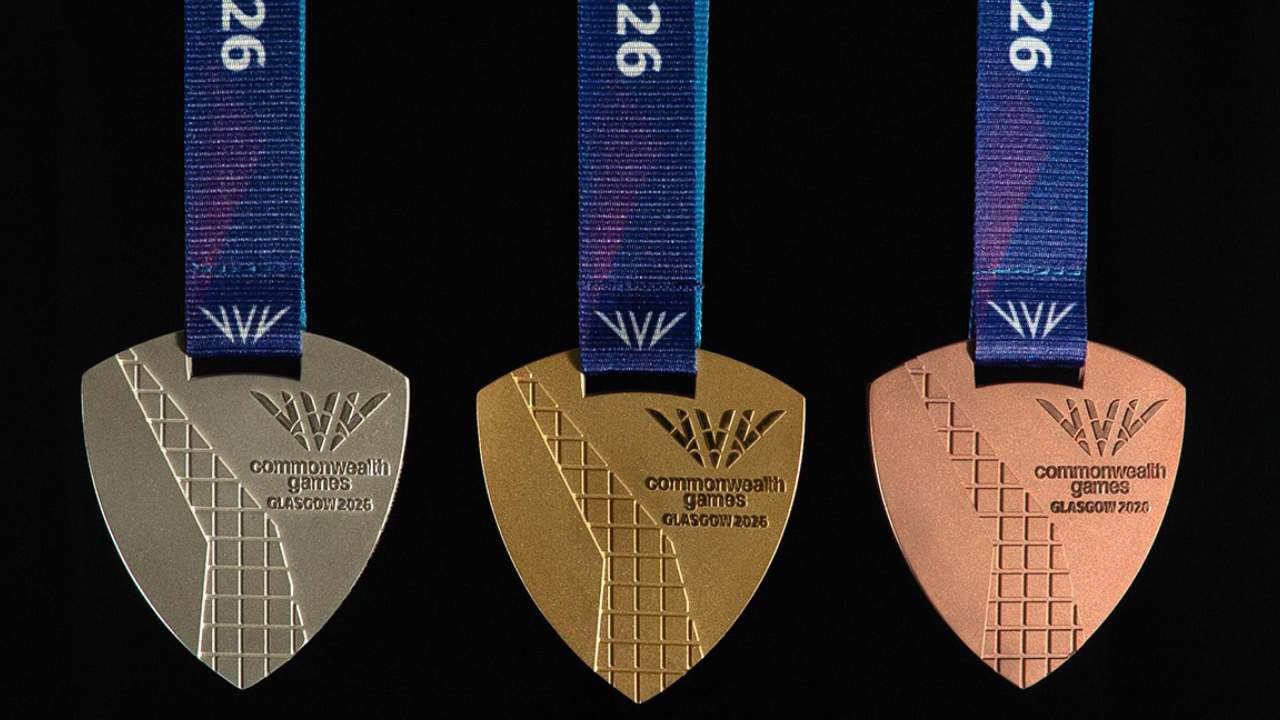
India concluded the Commonwealth Games in Glasgow with 39 medals—including 13 gold, 17 silver, and 9 bronze—to finish fourth in the overall medal standings. While the performance reflected several outstanding individual achievements, the overall medal tally dropped from 61 medals at the previous Commonwealth Games.
A major reason for the decline was the exclusion of sports such as shooting, wrestling, badminton, table tennis, and hockey, disciplines that traditionally contribute a significant share of India's medals. As a result, comparisons with previous editions require careful context.
Among India's top-performing disciplines this year, boxing and athletics each produced 10 medals, followed by weightlifting with eight and para athletics with six. Athletes such as Gulveer Singh, Mirabai Chanu, Neeraj Chopra, Lovlina Borgohain, and Asmita De were among those supported through various government funding programs.
According to reports, the Central Government spent over ₹53.09 crore on preparing India's Commonwealth Games contingent through schemes such as the Target Olympic Podium Scheme (TOPS) and other financial assistance programs. The 38 medal-winning athletes alone received preparation support totaling approximately ₹15.56 crore.
Based on the total expenditure for the entire contingent, the government's investment worked out to around ₹1.36 crore per medal. Considering only the preparation costs of the medal-winning athletes, the expenditure averaged nearly ₹39.9 lakh per medal.
Officials emphasize that these investments are designed not only for Commonwealth Games success but also to prepare athletes for major international events such as the Olympic Games, Asian Games, and World Championships. The long-term objective remains strengthening India's sporting ecosystem and producing world-class athletes across multiple disciplines.