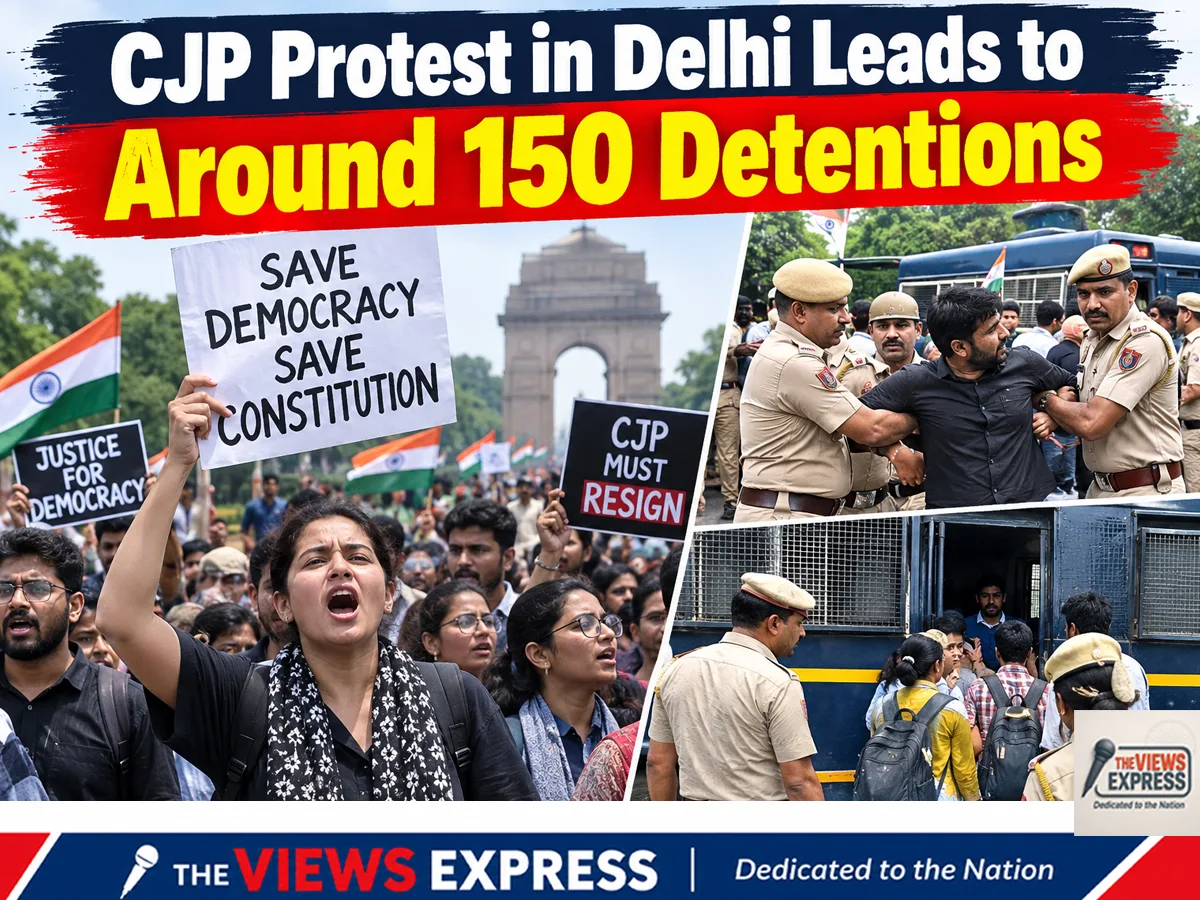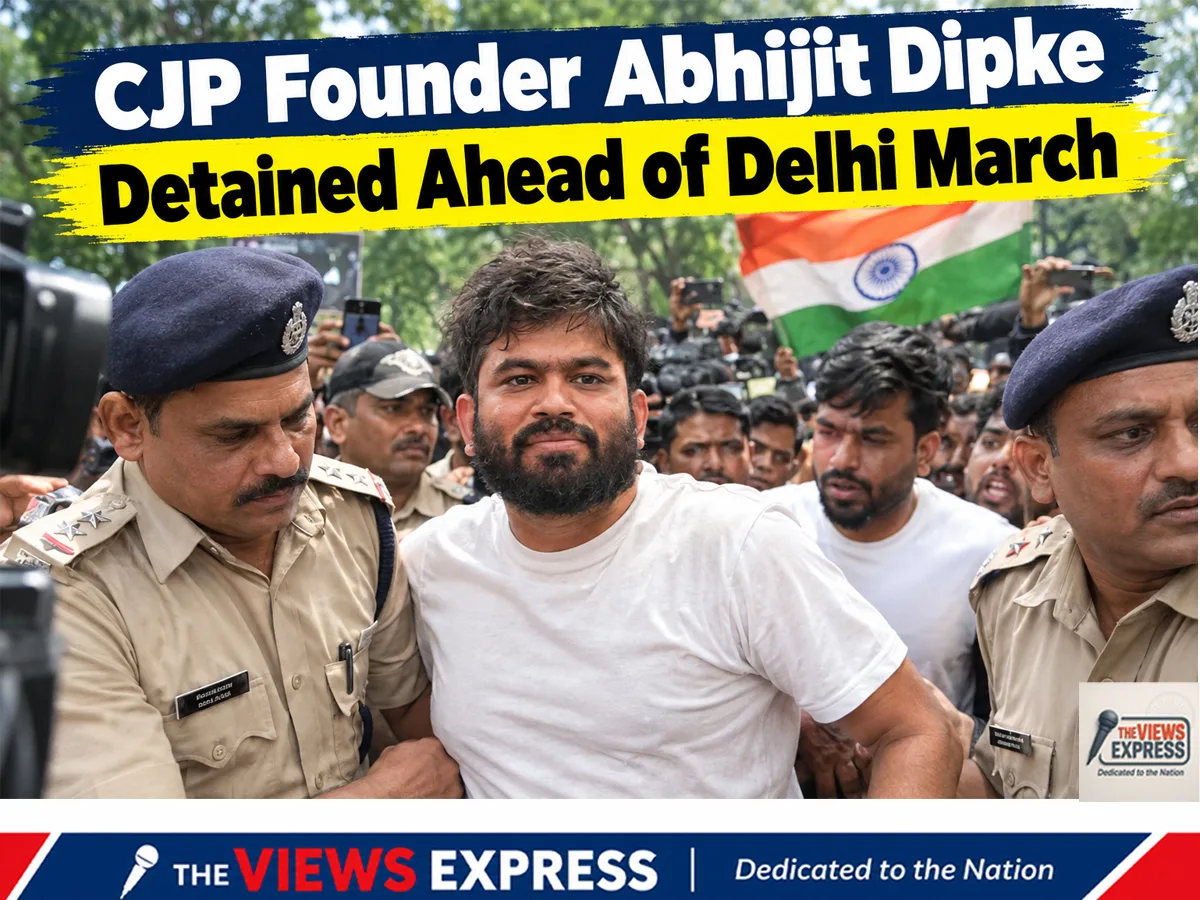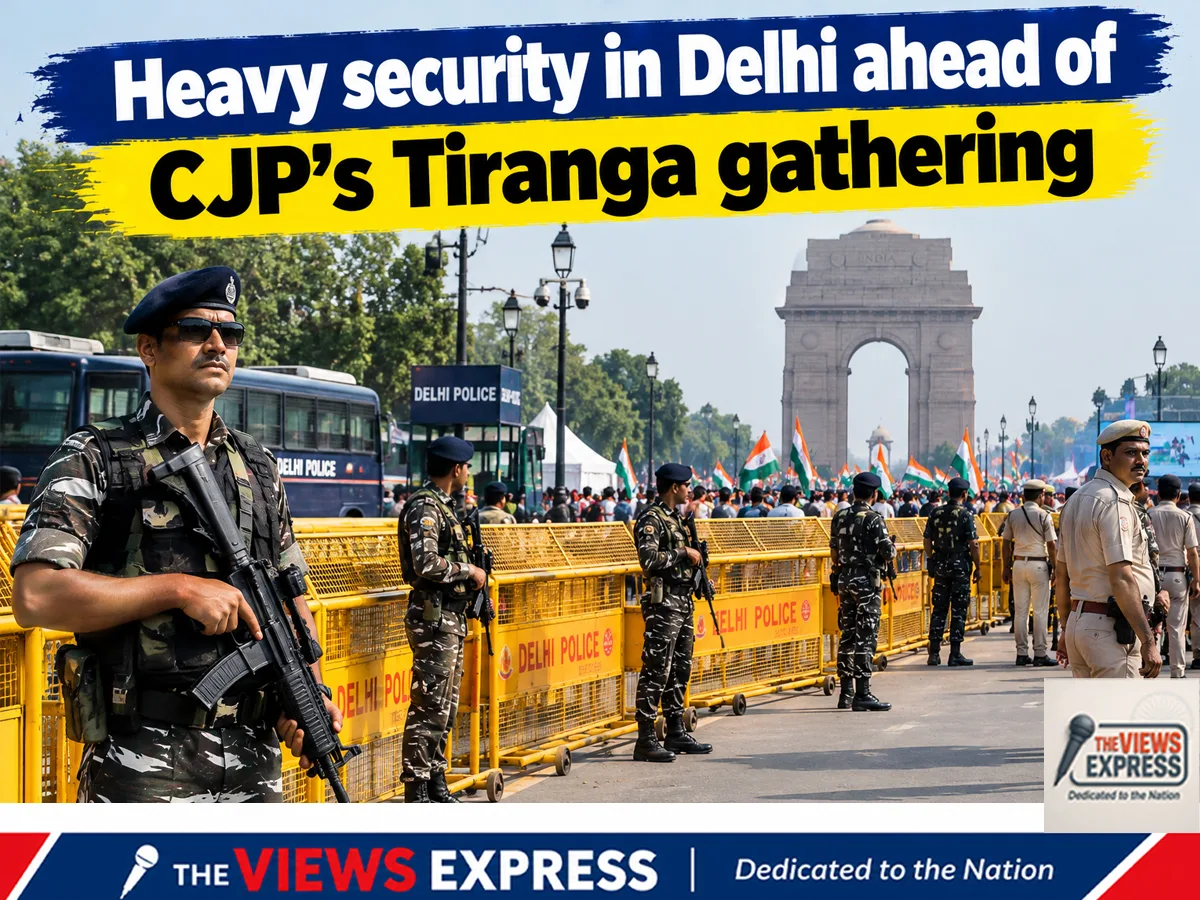
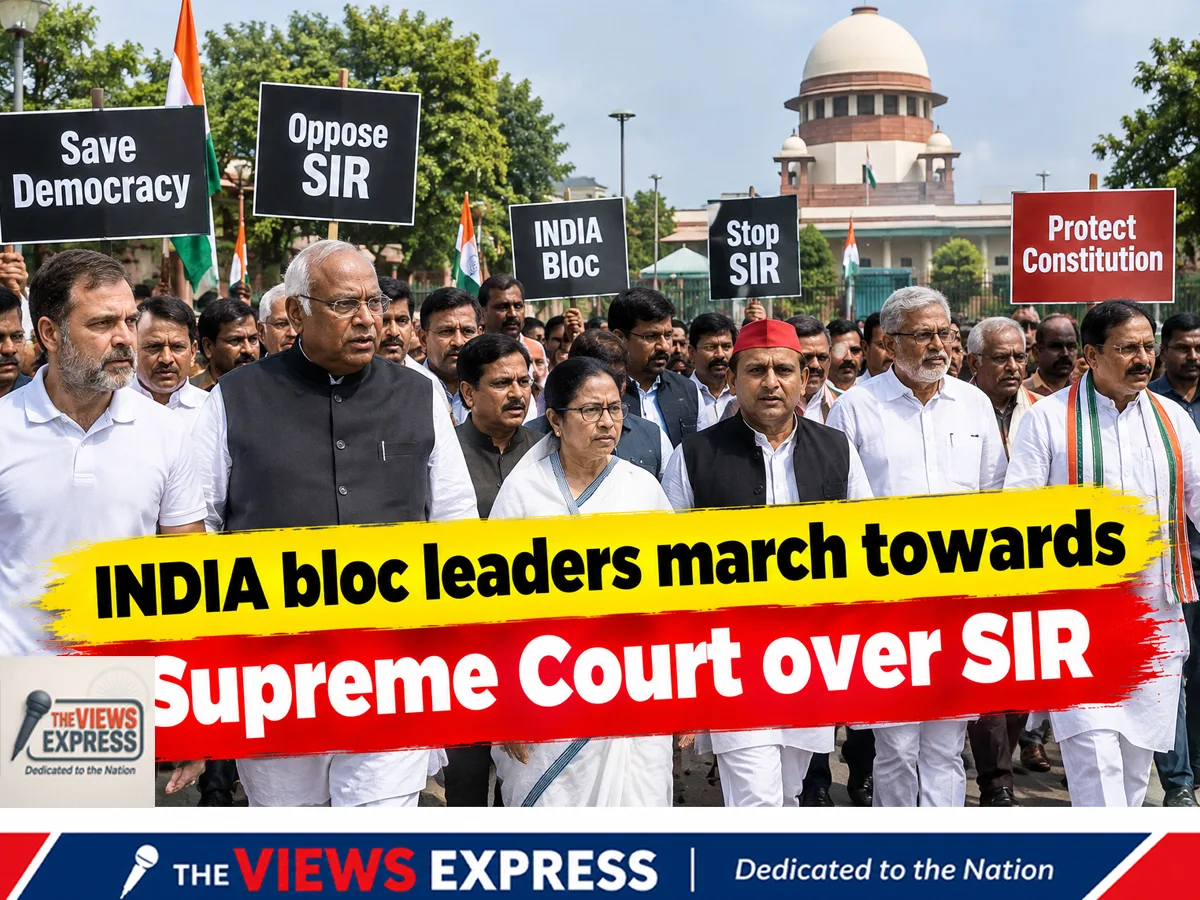

Opposition leaders from the INDIA bloc are set to march from India Gate towards the Supreme Court in Delhi on Monday, intensifying their protest over alleged “vote theft” and the Special Intensive Revision (SIR) of electoral rolls. Rahul Gandhi is expected to submit a memorandum, while Samajwadi Party chief Akhilesh Yadav is also expected to join the march.
According to reports, the opposition wants an end to alleged electoral irregularities, a halt to the SIR exercise and the resignation of Chief Election Commissioner Gyanesh Kumar. West Bengal’s former chief minister Mamata Banerjee is also expected to participate.
However, Chief Justice of India Surya Kant is reportedly unwilling to meet the delegation. Bar and Bench, citing sources, reported that the matter is already before the court and that the Supreme Court cannot issue administrative directions to the government through such a meeting. Opposition leaders can approach the court legally, with a related case scheduled for Tuesday, October 13. This information has not been issued as an official statement by the CJI.
On Sunday, a special Supreme Court bench directed authorities not to make arrests without following legal procedures. It also called for normal metro, railway and internet services, subject to lawful security measures, and a prompt review of barricades. Delhi authorities were asked to explain why proceedings for contempt should not begin over the closure of 45 metro stations on October 10.
Delhi Police has said the protest lacked permission. The Election Commission maintains that names removed during the draft revision were identified under the applicable process and that wrongly deleted names can be restored. The BJP’s response should also be included as the political confrontation develops.
Today’s schedule
- Monday, October 12: INDIA bloc leaders plan to march from India Gate towards the Supreme Court.
- Memorandum: Rahul Gandhi is expected to submit the opposition’s demands.
- Tuesday, October 13: A related case is scheduled for hearing in the Supreme Court.
What the Supreme Court’s directions mean for citizens
- Right to protest: Peaceful protest remains subject to applicable laws and lawful restrictions.
- Internet and transport: Services should operate normally, subject to lawful measures required to maintain public order.
- Detention: Authorities must follow the required legal procedures before detaining or arresting anyone.