
Bangladesh has stepped up efforts to reduce its trade imbalance with India by focusing on higher exports and lower import dependence, according to a statement presented in the country's National Parliament on Thursday. The announcement reflects the government's broader strategy to strengthen bilateral economic ties while addressing long-standing concerns over the trade gap.
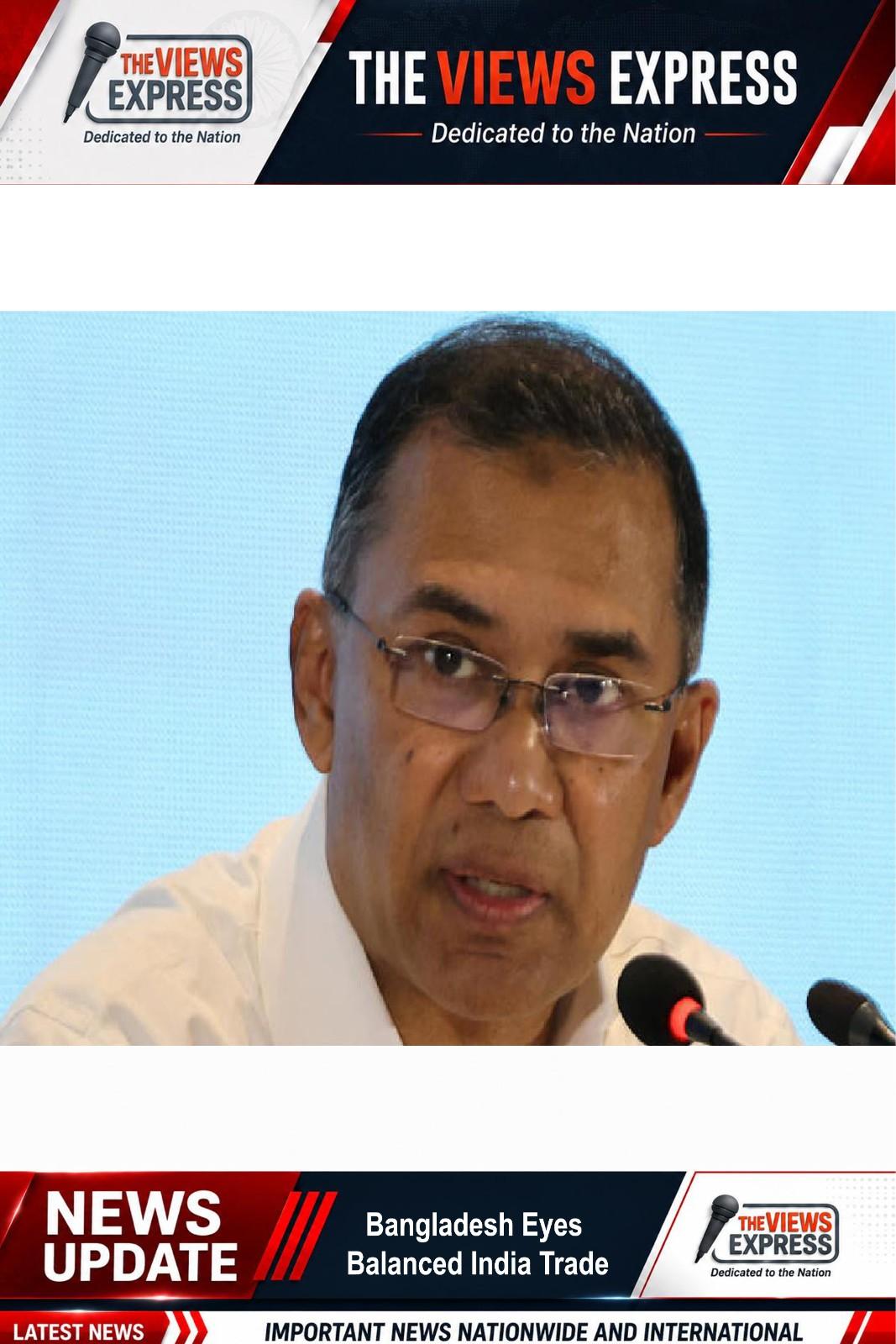
Commerce Minister Khandaker Abdul Muqtadir, in a written statement read out by State Minister for Commerce Shariful Alam during the parliamentary question hour, said the government is actively pursuing the implementation of the Comprehensive Economic Partnership Agreement (CEPA) with India. The proposed agreement is expected to deepen economic cooperation, promote investment, and facilitate greater market access between the two neighboring countries.
The minister's statement noted that the current administration considers CEPA a key instrument for expanding Bangladesh's exports to India and achieving a more balanced trade relationship. The agreement had also been highlighted as one of the government's economic priorities during the parliamentary election campaign.
According to official figures presented in Parliament, bilateral trade between Bangladesh and India stood at USD 11.38 billion during the 2024–25 fiscal year. Of this, Bangladesh's exports to India amounted to USD 1.76 billion, highlighting the significant trade deficit that Dhaka aims to narrow in the coming years.
The government said it intends to diversify export products, strengthen domestic industries, and create new opportunities for Bangladeshi businesses in the Indian market. Officials believe that implementing CEPA, alongside policies encouraging export growth, will help improve trade competitiveness and contribute to a more balanced and sustainable economic partnership between the two countries while enhancing regional economic cooperation.