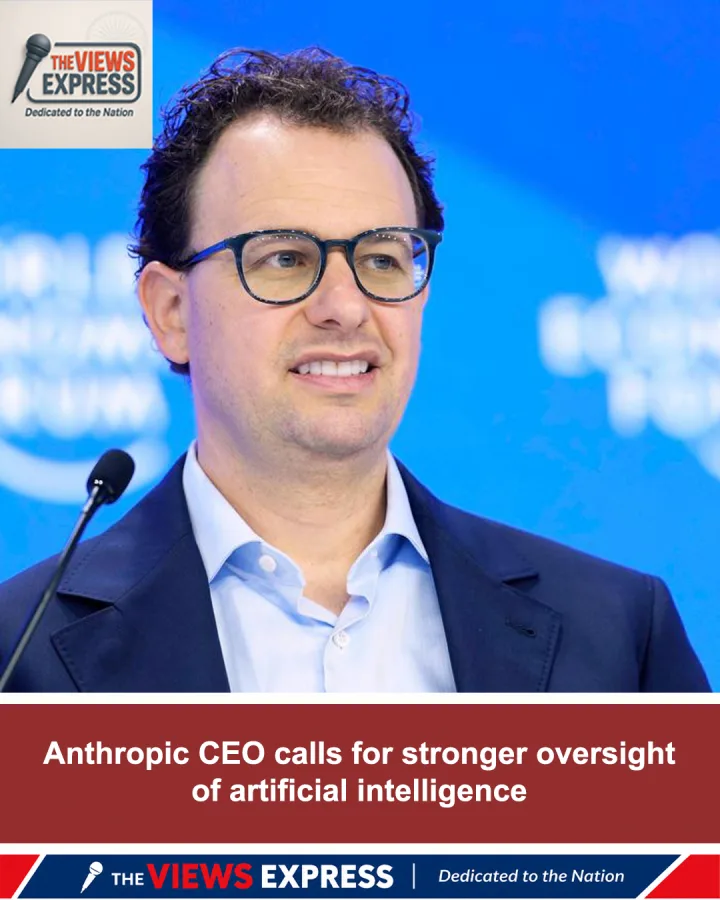

The rapid expansion of artificial intelligence has prompted renewed calls for stronger safeguards, with Anthropic CEO Dario Amodei urging the industry to slow down and prioritise safety. His remarks highlight growing concerns that the race to develop increasingly powerful AI systems could outpace efforts to understand and control their risks.
Amodei has proposed a new approach to independent oversight, calling on companies developing frontier AI models to provide external evaluators with “ongoing, employee-like access” to their organisations. Under his proposal, independent safety teams would be able to monitor corporate practices, assess potential dangers and examine whether companies are meeting their safety commitments.
The Anthropic chief indicated that his own company intends to adopt this model. External evaluators could receive desks within Anthropic’s offices, access badges and company laptops, allowing them to work closely with internal teams while maintaining an independent perspective.
The proposal comes amid intensifying debate over the economic and social consequences of advanced AI. While the technology promises major gains in productivity, scientific research and innovation, critics and researchers have warned of potential risks involving misinformation, cybersecurity, employment disruption and the development of systems whose capabilities may become difficult to control.
Amodei’s call places greater emphasis on transparency and continuous monitoring rather than relying solely on voluntary assurances or occasional assessments. Independent access, he argues, could help identify weaknesses before they develop into serious problems.
As governments and technology companies consider new AI regulations, the Anthropic chief’s intervention adds weight to demands for stronger accountability. The future of artificial intelligence, his position suggests, will depend not only on innovation but also on the safeguards established alongside it.