
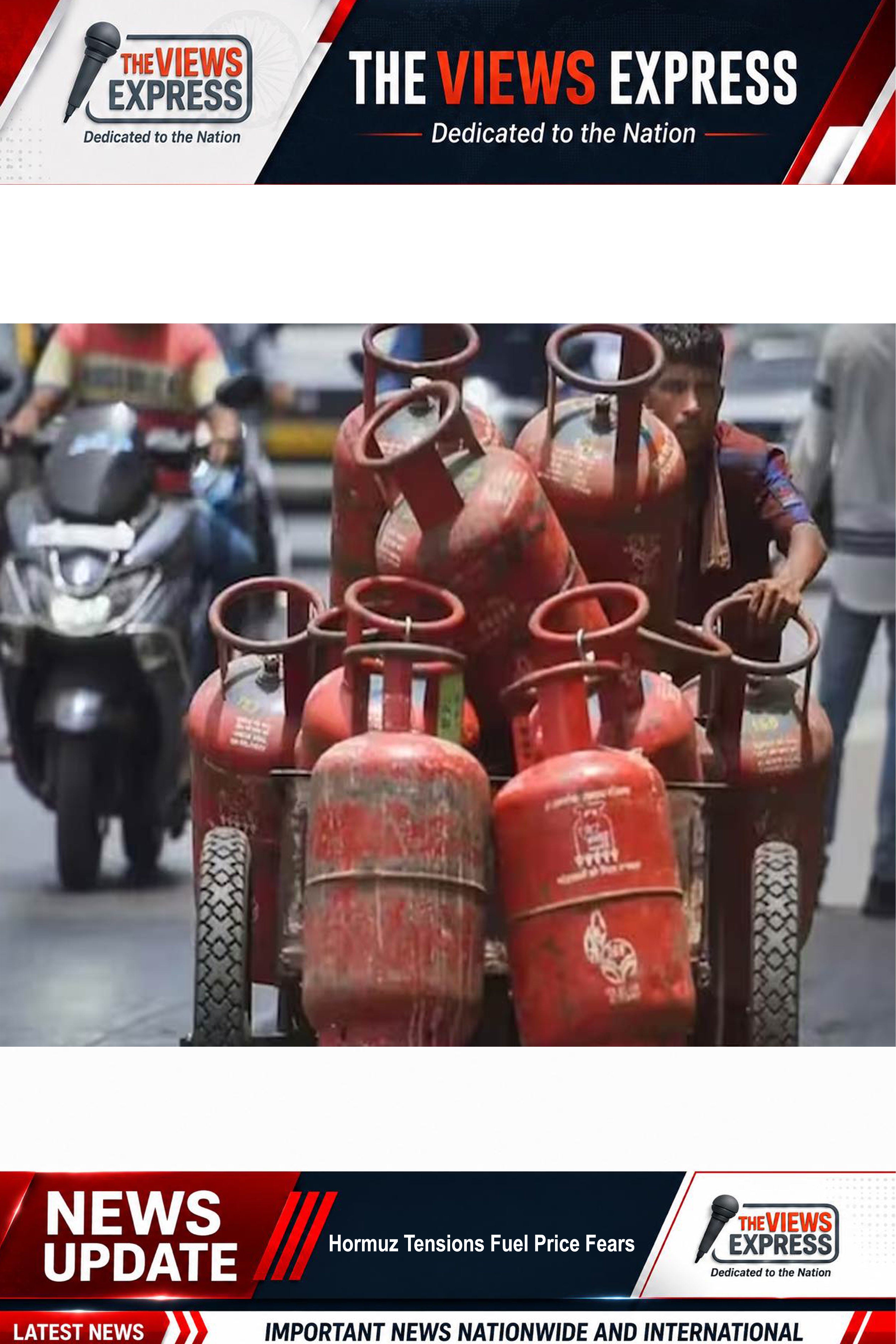

Fresh tensions in the Strait of Hormuz, one of the world's most critical oil shipping routes, have reignited concerns over global energy supplies and the possibility of higher fuel and cooking gas prices in India. Shipping movement through the strategic waterway has reportedly slowed again as hostilities escalated in the Middle East following renewed military exchanges between Iran and the United States.
The latest developments have raised fears of another energy shock similar to earlier disruptions that pushed crude oil prices sharply higher. Any prolonged disruption in oil transit through the Strait of Hormuz could affect global crude supplies, leading to increased transportation costs and inflation across several countries, including India.
However, experts believe India's position is stronger than it was a few months ago. Over the past 90 days, India has diversified its crude oil import sources, increased spot market purchases, and reduced its dependence on long-term supply contracts with Gulf nations. These measures are expected to provide greater flexibility if global energy supplies face temporary disruptions.
Earlier spikes in international crude prices had placed significant financial pressure on oil marketing companies. While the government had attempted to keep domestic fuel prices stable for a period, subsequent increases in petrol and diesel prices reflected the impact of rising global costs. Higher fuel prices often translate into increased transportation expenses, affecting the prices of essential commodities, including cooking gas.
The renewed crisis follows reports of attacks involving commercial vessels and military strikes in the region, further intensifying geopolitical uncertainty. Although India has strengthened its energy security strategy, market analysts warn that any prolonged instability in the Strait of Hormuz could still influence international oil prices and, ultimately, domestic energy costs.