
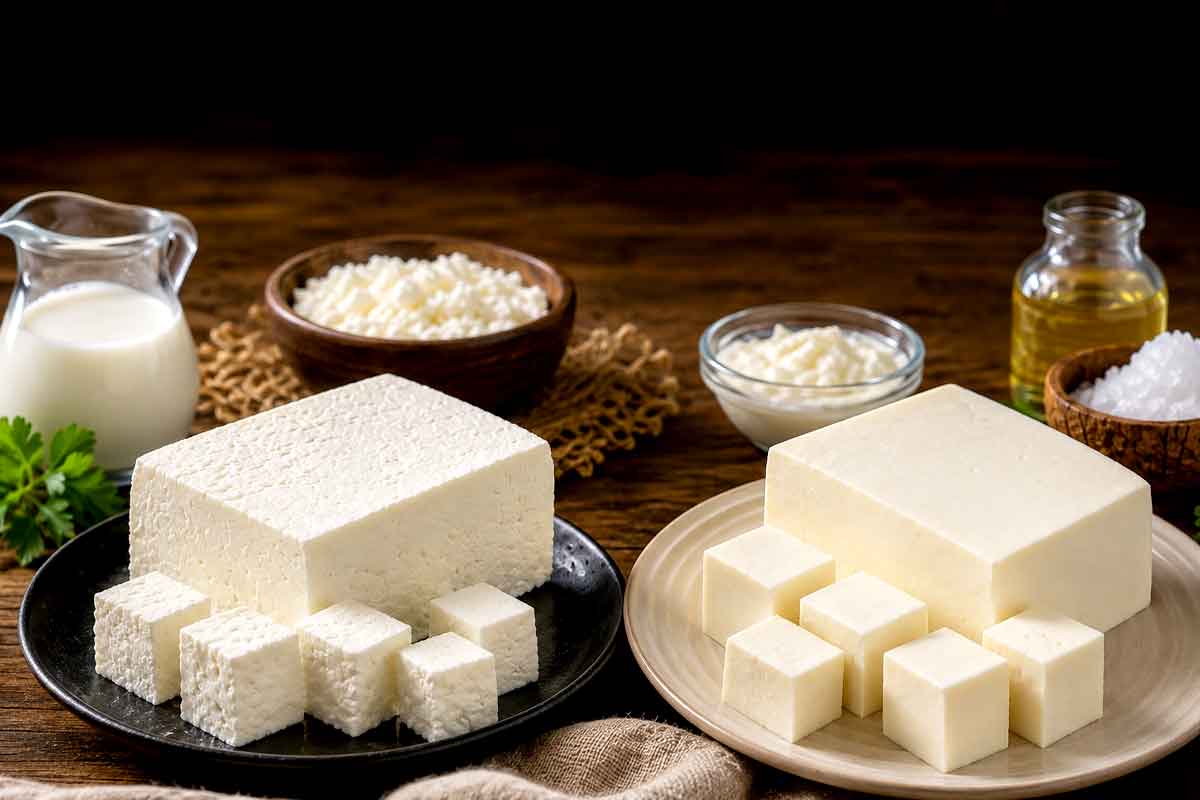

Paneer is a popular source of protein in Indian diets, but consumers may not always be buying the traditional dairy product they expect. A growing market for “analogue paneer” has raised concerns over misleading labelling and nutritional differences.
Analogue paneer is designed to resemble traditional paneer in appearance, taste and texture but is not necessarily made primarily from fresh milk. Depending on the product, ingredients can include vegetable oils or hydrogenated fats, starch, emulsifiers, stabilisers, flavouring agents and other food additives. Some products may also contain milk solids or skimmed milk powder.
Traditional paneer, by contrast, is made by curdling milk with an acidic ingredient such as lemon juice or vinegar. The two products therefore have different identities and should be clearly labelled.
Authorities in Gujarat, Maharashtra and Chhattisgarh have taken action against the production, storage, transportation and sale of analogue paneer in response to concerns that substitute products were being marketed as genuine paneer. Food safety inspections and laboratory testing have reportedly highlighted cases where consumers may not have been adequately informed about the product.
Health experts point out that properly manufactured and correctly labelled analogue products are not automatically unsafe. However, their nutritional composition can differ from dairy paneer. They may contain less high-quality milk protein and potentially more processed fats, while calcium and other nutrients may also vary.
People with heart disease, high cholesterol or weight-management concerns should therefore pay particular attention to ingredient lists and nutrition labels.
Before purchasing paneer, consumers should check whether the package mentions “analogue” or similar terms, verify the FSSAI licence details and buy from reliable sellers.