
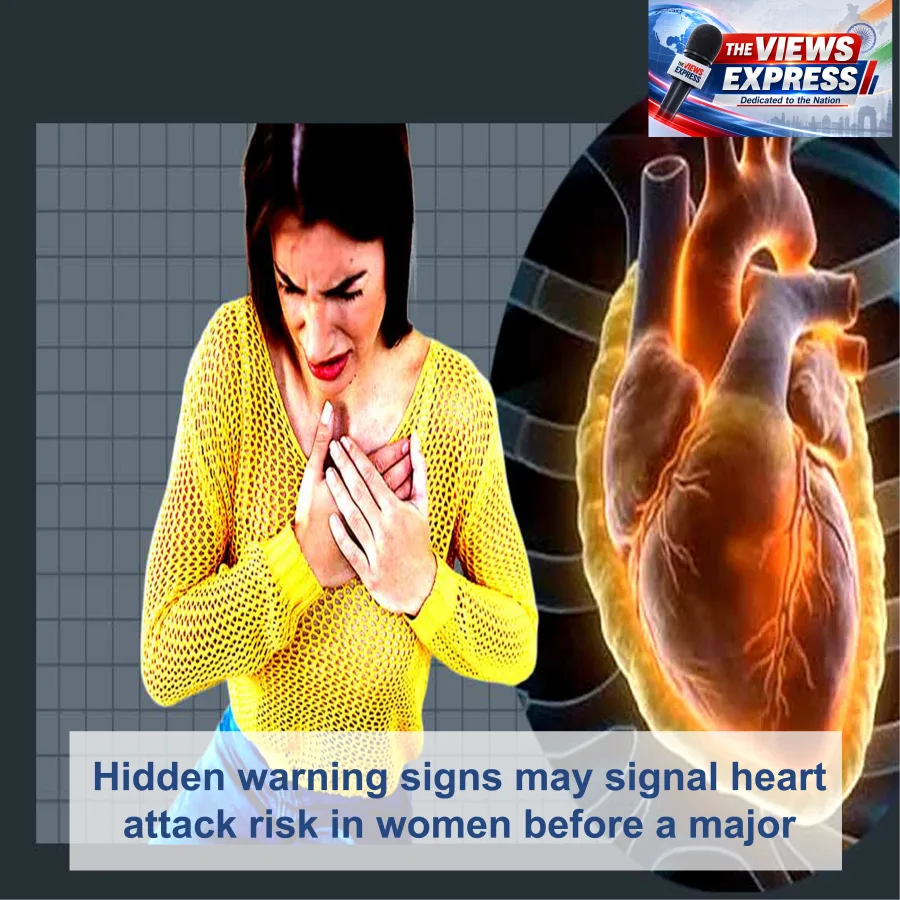

Heart attack symptoms are not always the same for everyone, and women may experience warning signs that differ from the classic symptoms often associated with men. Recognising these early signals can be crucial, particularly when symptoms are mistaken for acidity, fatigue or stress.
One area researchers are examining is the accumulation of fat around the heart. Known as epicardial adipose tissue, this fat normally provides protection to the heart. However, excessive accumulation may be associated with inflammation and cardiovascular problems. According to research discussed in the source report, increased epicardial fat may contribute to inflammation and impaired blood flow, potentially increasing cardiovascular risk.
Women may experience several symptoms before or during a heart attack. These can include chest discomfort or pain that may spread to the neck, jaw, shoulders, back or upper abdomen. Breathlessness, including sudden difficulty breathing at night, can also occur.
Other warning signs may be less obvious. Persistent or unusual tiredness, weakness, dizziness, excessive sweating, nausea and recurrent indigestion or heartburn can sometimes accompany cardiac problems. Some women may even experience fainting or severe discomfort without having intense chest pain.
Hormonal changes, lifestyle factors and other cardiovascular risk factors can influence heart health in women. Because symptoms may be subtle, dismissing them as ordinary gastric problems can delay treatment.
Women experiencing sudden chest pain, severe breathlessness, fainting or other concerning symptoms should seek emergency medical attention immediately. Doctors may recommend appropriate cardiac evaluation based on individual risk factors and symptoms. Tests such as echocardiography and, when clinically indicated, cardiac CT or MRI can help assess heart structure and cardiovascular health.
Early recognition and timely medical care remain essential in reducing the risk of serious complications.