
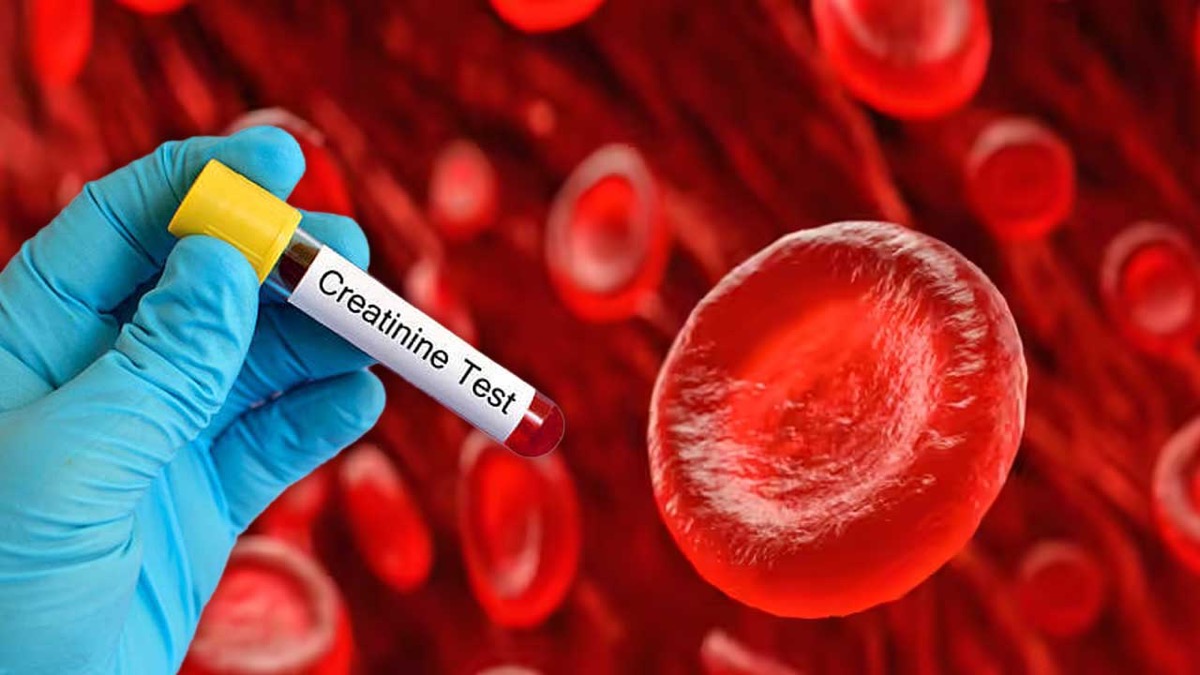

A higher-than-normal creatinine level in a blood test can often cause concern, particularly among people with diabetes. However, an elevated creatinine reading does not automatically mean that the kidneys are failing. Several factors unrelated to kidney disease can temporarily or naturally increase creatinine levels.
Creatinine is a waste product produced during normal muscle activity. People with greater muscle mass generally have higher creatinine levels, which is one reason men may naturally show higher levels than women. The kidneys filter creatinine from the blood and remove it through urine, making creatinine an important indicator of kidney function.
However, creatinine levels can rise even when the kidneys are functioning normally. Bodybuilders and people with substantial muscle mass may have higher readings because their muscles produce more creatinine. Taking creatine supplements can also increase blood creatinine levels.
Dehydration is another common factor that may cause a temporary rise in creatinine. Similarly, eating large quantities of red meat may affect test results. Sudden increases in intense physical exercise can also contribute to elevated levels.
Some people with high creatinine may experience fatigue, swelling around the hands, ankles or face, reduced appetite or changes in urine. However, these symptoms alone are not enough to establish a diagnosis of kidney disease.
For people with diabetes, kidney health deserves particular attention because diabetes can increase the risk of chronic kidney disease. Doctors generally assess creatinine alongside other measurements, such as estimated glomerular filtration rate (eGFR) and urine tests, rather than relying on a single creatinine result.