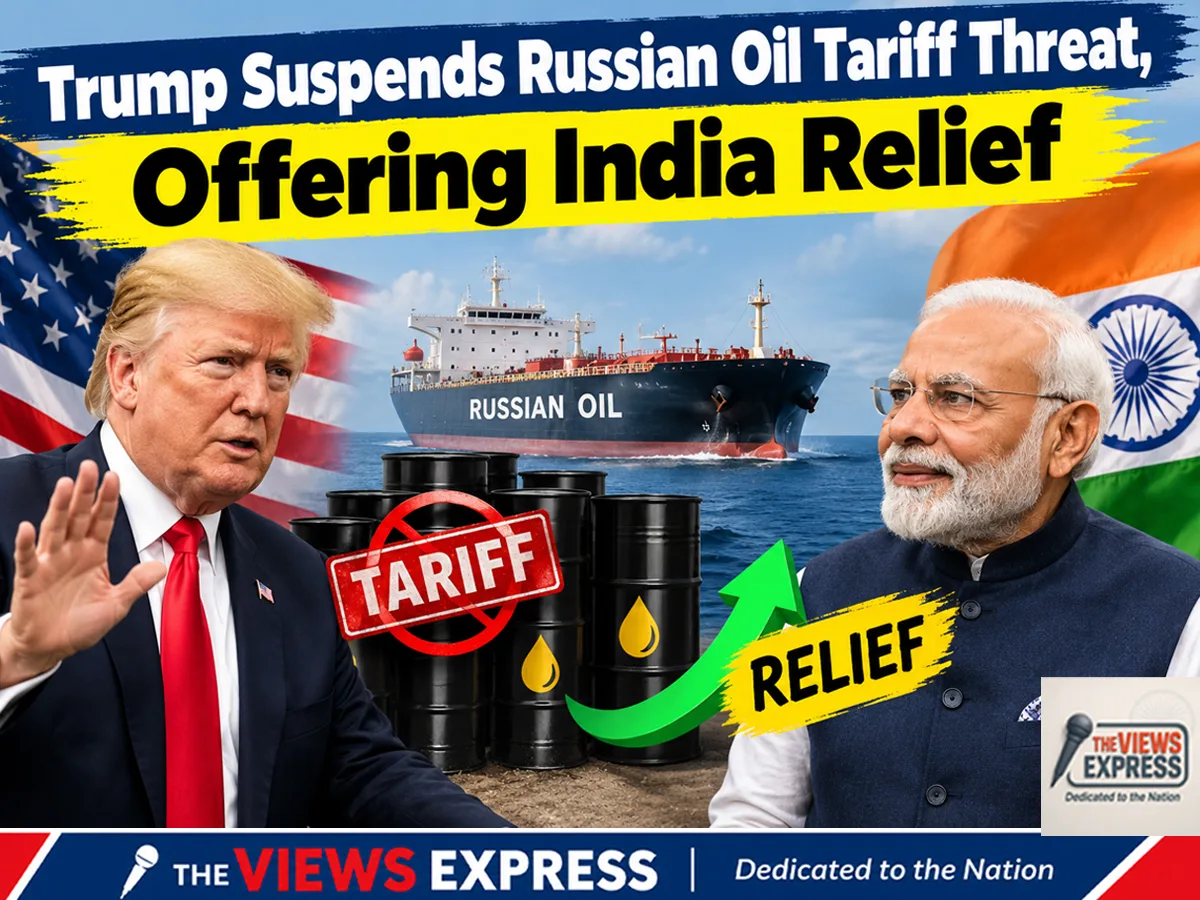
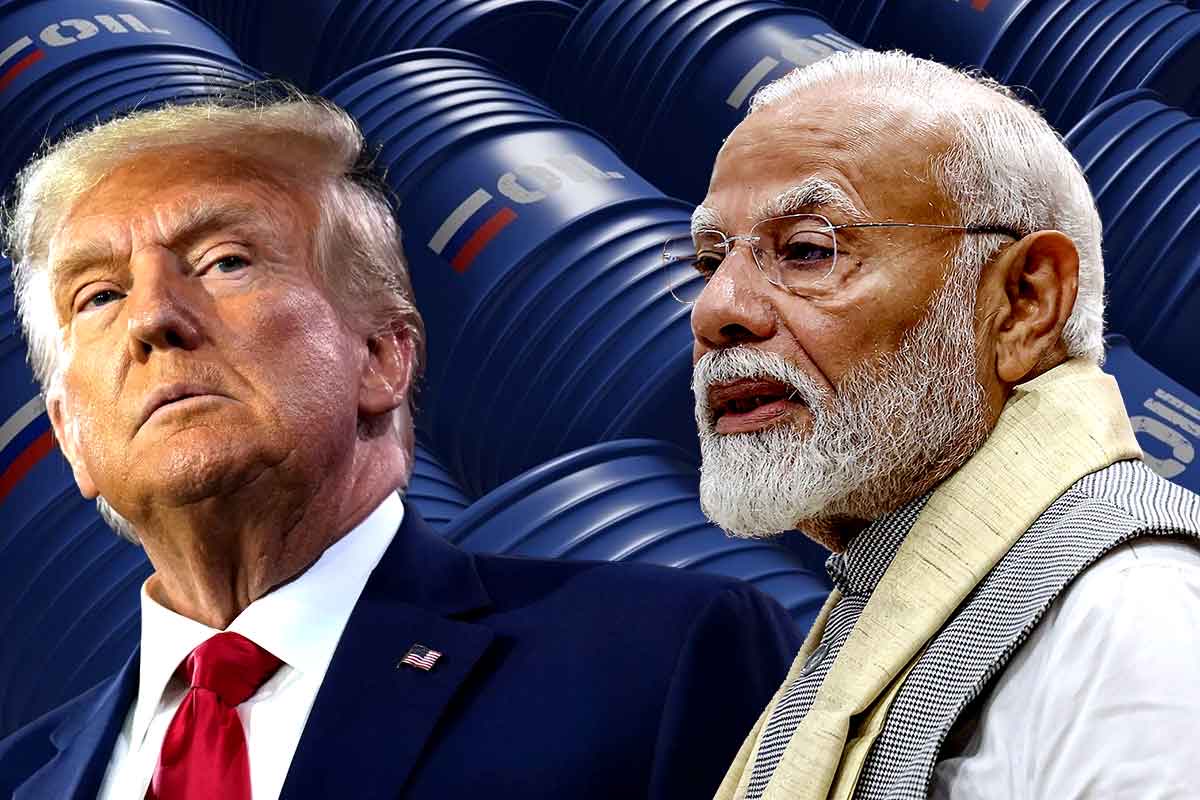

The United States Senate has passed a new bill proposing 100% tariffs on countries that continue purchasing Russian oil, marking a significant escalation in Washington's efforts to increase economic pressure on Moscow over the war in Ukraine. The legislation was approved with strong bipartisan support, receiving 86 votes in favour and 12 against.
The measure is expected to have major implications for countries that remain among the largest buyers of Russian crude oil, including India, China, Slovakia, Hungary and Azerbaijan. According to the proposal, the tariffs are intended to discourage continued purchases of Russian energy and reduce the financial resources available to Russia.
The bill was passed during Ukrainian President Volodymyr Zelenskyy's visit to the United States, highlighting Washington's continued support for Ukraine and its strategy of tightening economic sanctions against Russia.
India is expected to face particular attention under the proposed legislation, as it has become one of the world's largest importers of discounted Russian crude in recent years. The increased purchases followed shifts in global energy markets and supply disruptions linked to ongoing geopolitical tensions.
Supporters of the bill argue that stronger trade measures are necessary to weaken Russia's economy and limit its ability to finance military operations. However, critics warn that such policies could also affect global energy markets, increase trade tensions and place additional pressure on countries dependent on affordable energy imports.
Despite the proposed restrictions, many European nations continue to rely on certain forms of Russian energy, particularly natural gas, with existing arrangements and exemptions varying across countries.
If implemented, the legislation could significantly reshape global energy trade and create fresh diplomatic and economic challenges for major Russian oil importers.